Chrysalis Fund: Apply for Funding
Empowering Educators. Inspiring Future Entomologists.
The Chrysalis Fund supports creative, hands‑on educational projects that spark curiosity about insects and other arthropods among K-12 children. Whether you're developing a new outreach program, engaging students in field experiences, or building long‑lasting community initiatives, the Chrysalis Fund helps bring your vision to life.
What the Chrysalis Fund Can Support
Funding may be used for project expenses such as:

Physical Supplies
Nets, insect boxes, live insects, educational materials

Services
Poster printing, software licenses

Travel Support
Mileage for guest speakers or project collaborators

Compensation
Stipends for teachers, assistants, or guest experts
Funds may not be used for expenses unrelated to the project objectives, work that was performed prior to the application, or administrative/overhead costs.
Sign Up for Alerts
Investment Impact
We aim to support projects that create meaningful, lasting benefits. Strong applications clearly describe:
- How many students or participants will be served
- The depth of engagement
- Long-term sustainability or repeatability of the project
Projects that continue generating educational value for years receive higher impact ratings.
Explore Reporting Requirements
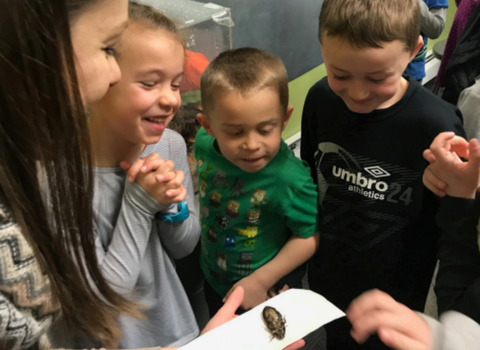
Montana Science Center (formerly Children’s Museum of Bozeman) developed of a new insect exhibit entitled "It’s A Bug’s World" in 2018.
How Grant Winners Are Selected
Each application is evaluated by volunteers on ESA’s Education and Outreach Committee using a detailed scoring rubric. Proposals are assessed on:
- Strength and clarity of the project concept
- Planning and feasibility
- Expected impact on students and communities
Applications are ranked according to their scores, and funding decisions follow these rankings.
View the Scoring Rubric
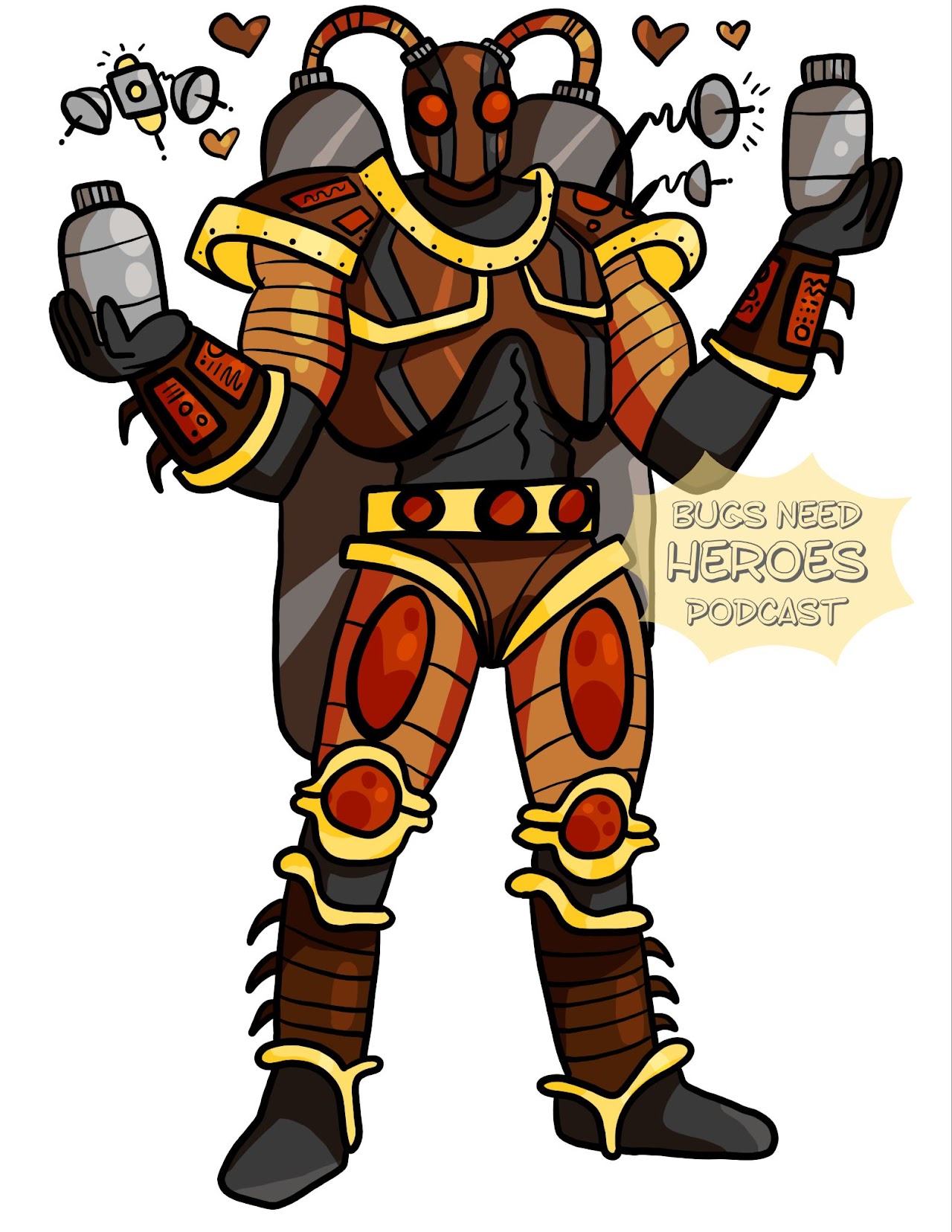 The Bugs Need Heroes Podcast was awarded Chrysalis Funds to expand their educational outreach.
Funding Levels
We offer three tiers of support to accommodate projects of all sizes. All applications are evaluated using the same scoring rubric, regardless of proposed budget:
Micro‑Grants
Less than $500
Perfect for small, high‑impact classroom or community projects.
Regular Grants
$500–$999
Ideal for medium‑sized initiatives needing more resources.
Large Grants
$1,000–$2,500
Designed for robust or multi‑layered programs with broader reach.
The amount of funding available in any year is set by the ESA Education and Outreach Committee and dependent on existing funds. Depending on funds, grants may be partially funded (i.e. a lower tier).
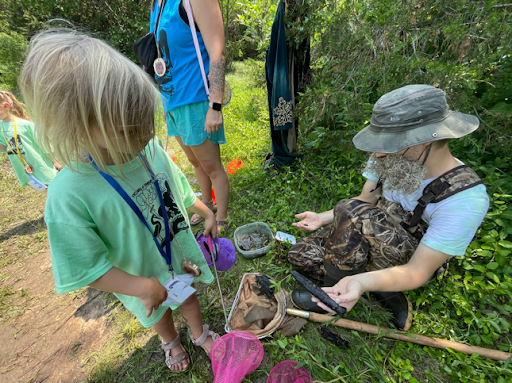
The Wetland Wizard Bug Project in 2022 offered hands-on activities to teach Wetland Ecology to Oklahoma students.
Project Topics
While insect‑focused projects are prioritized, the Fund also supports initiatives involving non-insect terrestrial or aquatic (i.e. freshwater) arthropods such as spiders, mites, ticks, scorpions, crustaceans, centipedes, and millipedes.
The project also not necessarily have to be using insects or arthropods directly (e.g., a project can involve improving or studying insect habitat).
Explore Previous Grantees
Timeline Overview
Application
The Chrysalis Fund application window opens each spring, from March through June 1. Projects funded during this cycle support the following academic year.
Announcements
Grant recipients are notified by email in mid‑September at the address used to submit the application.
Funding
Funds are generally delivered before October 1. While timing can vary, applicants can help ensure prompt delivery by confirming their check disbursement information is accurate.
Reporting
All funded projects must be completed by July 31 of the year following the award. Final project reports are due to ESA by October 1 of that same year.
Developing a Budget
A project budget is a simple list of all the expenses needed to complete your project. For each item, include:
- the cost per unit
- how many units you need
- the total estimated cost
You can find price estimates for supplies from vendors like Forestry Suppliers, Carolina Biological, PinIt, Ecology Supplies, and other scientific or educational suppliers. Please also add a brief note explaining how each item supports your project goals.
View the Template