

Fellowship recognizes outstanding contributions to insect science
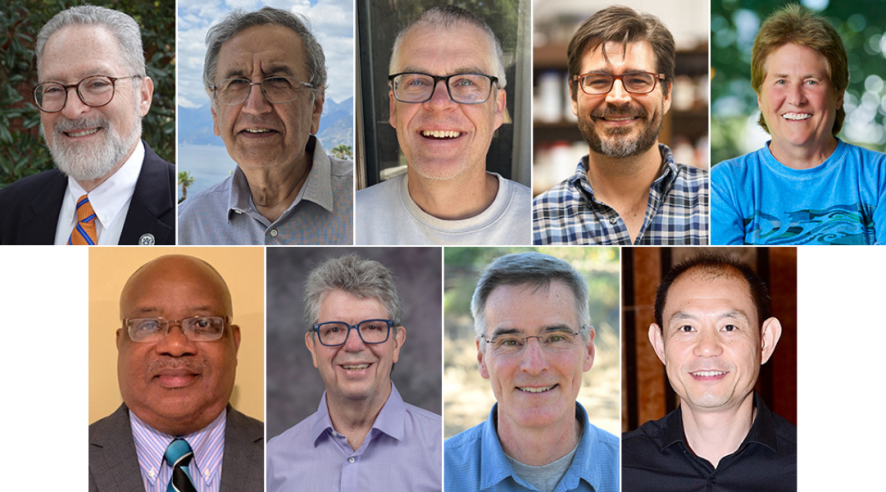
Annapolis, MD; August 5, 2026—Nine scientists have been selected as new Fellows of the Entomological Society of America for their outstanding contributions to the field of entomology.
Election as a Fellow of ESA acknowledges achievements in insect science via research, teaching, extension, administration, military service, or public engagement and science policy. This year's Fellows were nominated in the spring and chosen by the ESA Governing Board in June.
The entomologists named 2026 Fellows of the Entomological Society of America are:
- Arthur G. Appel, Auburn University
- Tariq Butt, Swansea University
- Dave Crowder, Washington State University
- Daniel A. Hahn, University of Florida
- Deborah G. McCullough, Michigan State University
- Joseph E. Munyaneza, U.S. Department of Agriculture, Agricultural Research Service
- Tom Phillips, Kansas State University
- Neal M. Williams, University of California, Davis
- Xuguo "Joe" Zhou, University of Illinois Urbana-Champaign
The honorees will be recognized during Entomology 2026, November 8–11, in Columbus, Ohio.
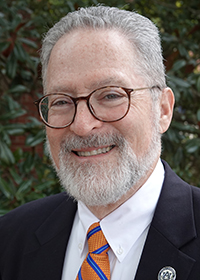 Arthur G. Appel, Ph.D., professor of entomology, interim dean of the College of Agriculture, and director of the Alabama Agricultural Experiment Station at Auburn University, was elected a Fellow in 2026. He is internationally recognized for research in urban entomology, structural pest management, and insect physiological ecology. Appel earned a B.A. in biology, with a philosophy minor, from University of California, Los Angeles, in 1980, followed by an M.S. in 1982 and Ph.D. in 1985 in urban entomology, with minors in insect physiology and parasitology, from the University of California, Riverside, where he studied with Michael Rust, Ph.D. Since joining Auburn University in 1985, Appel has served in multiple faculty and administrative roles, including department chair, associate dean for research, dean, and director.
Appel's research has advanced the management of urban insect pests, particularly cockroaches, through studies of pest biology, physiology, insecticidal baits, and essential oils. His work contributed to the development and validation of a model for estimating cockroach populations and identifying management targets, giving researchers and pest management professionals a practical tool for improving control strategies. His studies on essential oil treatments helped broaden interest in safer, naturally derived pest control options, benefiting both the pest management industry and consumers.
Over his career, Appel has directed 13 M.S. and eight Ph.D. students, most of whom have pursued careers as professional entomologists. He has secured more than $10 million in research contracts and grants and produced an extensive record of scholarship, including 172 research articles, five book chapters, and more than 100 extension and popular articles. His publications have been widely cited, and his research has contributed to several patents. He has delivered more than 250 presentations and has served on EPA and USDA advisory committees, as well as state, federal, and international review teams.
Appel's accomplishments have been recognized through numerous honors. He was elected a Fellow of the American Association for the Advancement of Science in 2015 and the Royal Entomological Society in 2017. In 2026, he received the National Conference on Urban Entomology Distinguished Achievement Award, recognizing the lasting impact of his work on urban pest management and the pest control industry. Earlier honors include the Entomological Foundation's Recognition Award in Urban Entomology in 2007 and Southeastern Branch ESA Recognition Awards in Urban Entomology in 1993, 1996, and 2008. Appel has also been recognized for teaching, receiving Auburn University College of Agriculture's Dean's Award for Teaching Excellence in 1993 and the National Association of Colleges and Teachers of Agriculture Teaching Award of Merit for 1992–1993. He served as an Auburn University Alumni Professor from 2001 to 2006 and as the Faculty Endowed Professor from 2019 to 2022.
Appel has contributed broadly to the entomological profession through editorial, advisory, and administrative service. He has served as subject editor for the "Household and Structural Insects" section of the Journal of Economic Entomology, as a member of the Editorial Board and associate editor of Physiological Entomology, and as an Editorial Board member for Insects. As associate dean and director, he helped strengthen Auburn's research enterprise by overseeing the creation of a college research office that centralized proposal development, contracts, grants, and submission support. Together, his research productivity, student mentoring, professional service, and administrative leadership demonstrate a sustained record of influence on entomology, higher education, and the pest management industry.
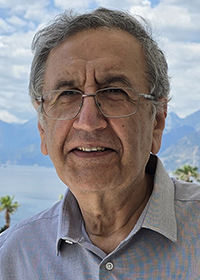 Tariq Butt, Ph.D., was elected a Fellow of the Entomological Society of America in 2026 in recognition of his internationally acclaimed contributions to insect pathology, biological control, and sustainable pest management. Over a distinguished career spanning more than four decades, his research has advanced understanding of entomopathogenic fungi (EPF), insect immunity, host–pathogen interactions, and integrated pest management, while translating fundamental discoveries into practical technologies for agriculture and public health.
Born in Pakistan in 1954, Butt moved to the United Kingdom with his family in 1958. He graduated with First Class Honors in botany and zoology from the University of Bristol in 1980 and completed his Ph.D. there in 1984. Following postdoctoral appointments at University College London and the USDA Agricultural Research Service at the Boyce Thompson Institute, Cornell University, he joined Rothamsted Experimental Station in 1989 before moving to Swansea University in 1999. He was appointed professor of biosciences in 2009 and currently leads the Biocontrol and Natural Products Group while co-directing the Natural Products BioHub Green Economy Centre and the Health Technology Solutions Research Institute.
Butt has made pioneering contributions to insect pathology. His research revealed how insects detect fungal pathogens, providing new insights into insect innate immunity and the evolutionary constraints governing resistance to EPF. These discoveries strengthened the scientific basis for the sustainable use of fungal biocontrol agents and influenced insect immunology and biological control research.
He also demonstrated how EPF can be integrated with entomopathogenic nematodes, botanicals, and reduced-risk insecticides to deliver effective pest control while reducing reliance on conventional pesticides. His research informed OECD and European regulatory guidance for microbial biopesticides, helping establish science-based frameworks supporting wider adoption of sustainable pest management technologies.
Committed to translating research into practical solutions, Butt has developed patented technologies for crop protection and vector control. His discovery of a plant-derived attractant led to the development of a globally commercialized monitoring system for western flower thrips, while his innovations in nature-based mosquito control have generated intellectual property currently undergoing field evaluation.
Butt has published more than 190 peer-reviewed papers, authored 14 book chapters, and co-edited two books, including the seminal Fungi as Biocontrol Agents: Progress, Problems, and Potential. He has supervised graduate researchers, mentored numerous visiting scientists, and provided leadership through editorial service, research funding panels, and professional societies. He currently serves on the UK Expert Committee on Pesticides.
He is a Fellow of the Royal Entomological Society and the Royal Society of Biology. In 2025, he received the British Mycological Society John Webster Award in recognition of his outstanding and sustained contributions to fungal biology.
Butt is married to Nadia and has two children, Yusef and Sarah. Outside academia, he enjoys gardening, ornithology, and international travel.
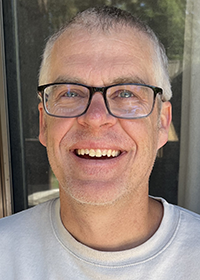 Dave Crowder, Ph.D., professor of entomology at Washington State University (WSU), was elected as a Fellow in 2026. He is internationally recognized for his research on insect ecology that links data-driven research with data analytics tools to inform pest management, disease ecology, and agricultural sustainability.
Crowder was born in 1980 in Columbia, Missouri, in a family with a background in farming and teaching. He developed an early interest in computers and attended the University of Illinois to study computer science. While there, he learned that coding and mathematics could be used to develop models of insect resistance to genetically modified crops, and a career in mathematical biology was born. Crowder went on to obtain his B.S. (2003) and M.S. (2004) degrees at the University of Illinois before moving to the University of Arizona for a Ph.D. in entomology in 2008. In 2009, he moved to WSU to be a postdoc and became faculty there in 2012. Since 2021, Crowder has been the director of digital agricultural systems at WSU, and he is the assistant director of the Molecular Plant Sciences Graduate Program.
Crowder's research has largely focused on community ecology of vector-borne pathogens, landscape ecology of invasive species and insect pests, and the ecological foundations of pest management. Crowder has authored 175 peer-reviewed publications, including papers in Science, Proceedings of the National Academy of Sciences, Global Change Biology, Ecology, and Trends in Ecology and Evolution. He has been a project director or co-project director on grants totaling nearly $32 million from a variety of federal, state, and crop commodity board sources. Crowder also has a major role as a mentor and scientific leader who currently supervises six graduate students, four postdocs, and eight senior staff. Eight M.S. and 12 Ph.D. students have completed theses in his lab, and he has supervised over 100 undergraduate and high school research trainees and 14 postdoctoral scholars, many of whom are award-winning scientists and program leaders themselves.
Crowder created and teaches several classes at WSU, including "Experimental Design and Statistics for Graduate Students" and "Scientific Writing." Crowder currently serves on the Governing Board of ESA and the National Academy of Sciences Committee on the Status of Insects in North America. In his role as director of digital agriculture systems at WSU, Crowder runs a major digital platform for crop management that is used across hundreds of thousands of crop acres in the Pacific U.S. and Canada each year. As the assistant director of molecular plant sciences, he helps supervise all aspects of a program with nearly 40 Ph.D. students and 40 participating faculty.
Crowder lives in Pullman with his much better half, Sarah (a former Greek archeologist); their three daughters, O, S, and P; and their dogs, Freya and Artie. He can often be found on a golf course, where his friends refer to him as "the dumbest smart guy we know."
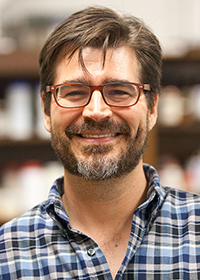 Daniel A. “Dan” Hahn, Ph.D., a professor in the Department of Entomology & Nematology at the University of Florida (UF), was elected as a Fellow in 2026. He is internationally known for research on insect dormancy/diapause, sterile insect technique, and stress responses. Research in Hahn’s group focuses on combining mechanistic physiology with genetics and evolutionary biology to address both fundamental questions in biology, like how genetic and physiological architecture of traits may facilitate or constrain phenotypic plasticity, trait evolution, and speciation, as well as generating real-world applications to manage pest and beneficial insects.
Hahn was born in Miami, Florida, in 1974. Living near the ocean, he became fascinated with marine invertebrates and wanted to grow up to be the next Jaques Cousteau. Hahn enrolled at Florida State University, graduating with a B.S. in 1996. During this time, Hahn took a class in insect biology and decided that insects were both more interesting and easier to study than marine invertebrates. An important event for Hahn was presenting his undergraduate honors thesis work on ant ecology at the ESA meeting in Las Vegas in 1995, thanks to his mentor Walter R. Tschinkel, Ph.D. Hahn pursued a Ph.D. in the Interdisciplinary Program in Insect Science at University of Arizona, where he studied mechanisms of phenotypic plasticity in insects, was mentored by Diana E. Wheeler, Ph.D., and graduated in 2003. Hahn was awarded a USDA-NIFA postdoctoral fellowship to work on mechanisms regulating insect diapause with David L. Denlinger, Ph.D., at Ohio State University. In 2005, Hahn joined the Department of Entomology & Nematology at UF, where he has worked ever since.
Working with a wide variety of collaborators in academia, government, and industry, Hahn and his trainees have published more than 100 scientific papers. He has mentored six M.Sc. students, eight Ph.D. students, and 16 postdocs, as well as over 100 undergraduates. Hahn has served as an associate chair and has mentored more than a dozen pre-tenure faculty through promotion. While Hahn is proud of many scientific outcomes of the work he has been involved with, he is even more gratified by helping develop the careers of others. Hahn has taught a graduate course in insect physiology for more than 20 years and takes great pride in introducing students to the principles of how insects work.
Hahn has presented or co-authored hundreds of presentations at state, national, and international conferences, as well as invited talks at U.S. universities and international institutes. Since 2009 he has acted as a subject matter expert for the United Nations Food and Agriculture Organization-International Atomic Energy Agency’s Insect Pest Control Subsection. He received ESA’s Southeastern Branch Recognition Award for Excellence in Physiology, Biochemistry, and Toxicology (2016), the Joseph Y. Porter Award for Distinguished Achievement from the Florida Mosquito Control Association (2023), a Teacher-Fellow Award from the North American Colleges and Teachers of Agriculture (2011), UF’s Outstanding Undergraduate Mentor Award (2010), and UF’s Postdoctoral Mentoring Award (2015). He was elected as a Fellow of the American Association for the Advancement of Science in 2024.
 Deborah G. McCullough, Ph.D., a native of Flagstaff, Arizona, obtained a B.S. in biology/ecology from Northern Arizona University (NAU). In the last semester of her undergraduate program, she enrolled in a new course on forest insects taught by Mike Wagner, PhD, a brand new forestry professor at the time. That course and Wagner's enthusiasm made an impact. Combining forest and insect ecology, wildfire, natural enemies—it was all crazy interesting—and who knew that people could actually make a living doing that sort of thing! After cutting firewood and landscaping got old, McCullough returned to NAU to pursue an M.S. in forestry with Wagner. Her research focused on drought stress, Ponderosa pine, and pine-feeding sawflies, followed by a short stint on a forest ecology project.
McCullough moved north to complete a Ph.D. at the University of Minnesota (UMN), studying foliar nitrogen, terpenes, and jack pine budworm success on post-fire and post-harvest regeneration. As a postdoc at UMN, McCullough combined a part-time position to develop a jack pine budworm decision support system with the USDA Forest Service, served as the forest entomology consultant for a statewide EIS on forest harvesting, and taught general entomology.
McCullough joined Michigan State University (MSU) in 1992, where she balances research, extension, and teaching responsibilities focused on forest insect ecology, impacts, and management. Her extension and outreach activities are tightly integrated into her research, with the overall goal of developing sustainable strategies to protect forest and urban forest health. McCullough's research has involved an array of forest insects, from pine shoot beetle, beech bark disease, and hemlock woolly adelgid to pests affecting commercial chestnut and Christmas tree production. Much of McCullough's work since 2002 has addressed emerald ash borer, generating information to support regulatory officials, forest health specialists, landowners, municipal foresters, and arborists managing this destructive pest across the U.S. and beyond.
McCullough has advised 37 graduate students (four currently) and four postdocs and served on advisory committees for 46 graduate students. She teaches a four-credit course on "Forest Insects and Diseases" annually to 35 seniors in forestry or arboriculture and has directed 30 undergraduate research or honors projects. McCullough has published 141 papers in scientific journals, along with 300 nonrefereed extension bulletins, websites, videos, or articles in trade publications. Her CV includes 340 invited and 375 submitted research presentations, and 280 extension talks. Major awards include the Excellence in IPM award from the Entomological Society of America (2024), recognition as an MSU Beal Outstanding Professor (2024), a Distinguished Faculty Award from the MSU College of Agriculture & Natural Resources (2016), the Hodson Outstanding Alumnus Award from the University of Minnesota Entomology Department (2014), and the Distinguished Alumnus Award from the NAU School of Forestry (2006).
McCullough and her husband, John, enjoy hiking with their black lab, hunting, biking, and catching big salmon in small rivers.
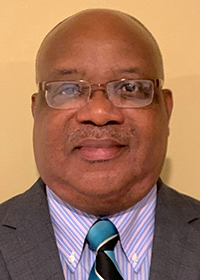 Joseph E. Munyaneza, Ph.D., national program leader for specialty crops at the United States Department of Agriculture (USDA), Agricultural Research Service (ARS), was elected as Fellow in 2026. Munyaneza is internationally recognized for his leadership for specialty crops research and insect and insect-transmitted plant disease biology, ecology, behavior, epidemiology, and management. He has generated highly impactful scientific accomplishments that addressed high-priority stakeholder agricultural issues by improving crop production, pest and disease management, new plant cultivars, automation, precision and protected agriculture, and food security.
Munyaneza was born in Rwanda in 1963. He received his B.S. in biology from the National University of Rwanda (1984), an M.S. in entomology from Southern Illinois University (1993), and a Ph.D. in entomology (minor in plant pathology) from Iowa State University (1996). Munyaneza served as a postdoctoral researcher at Iowa State University and University of Minnesota before joining USDA-ARS in 2002 as a lead scientist/research entomologist at the USDA-ARS Temperate Tree Fruit and Vegetable Research Unit in Wapato, Washington. During 14 years in this position, he concurrently served as adjunct faculty in the Department of Entomology at Washington State University. Since 2016, Munyaneza has served administratively as national program leader for specialty crops in the Crop Production and Protection Program Area in the USDA-ARS Office of National Programs. He coordinates, plans, and directs research for over 150 scientists with a $90 million annual base funding portfolio. He oversees research (including over 30 entomologically associated projects) on fruits, nuts, vegetables, ornamentals, greenhouse crops, sugar beet, and ARS IR-4 minor use pesticide research programs. In 2021, Munyaneza served as acting director for the Plant Protection Division, USDA-National Institute of Agriculture (NIFA), and managed/supervised national program leaders who provided leadership for competitive grant programs and formula-based capacity funding (budget exceeding $130 million).
Munyaneza’s earlier USDA-ARS research focused on insect-transmitted diseases, aphids, leafhoppers, and psyllids. He organized and led national and international interdisciplinary research teams that identified Liberibacter and phytoplasmas as causal agents of potato zebra chip and purple top, respectively, and developed effective management strategies for these plant diseases and insect vectors, resulting in millions of dollars in savings for the potato industry and other crops worldwide. Munyaneza received the 2012 ESA Integrated Pest Management Team Award in recognition of his research on zebra chip and psyllid-transmitted diseases. He received the 2014 USDA-NIFA Partnership Team Award for Mission Integration of Research, Education, and Extension for leadership and guidance in managing zebra chip disease of major importance to the national and international potato industry.
Munyaneza authored 232 scientific publications, including 129 peer-reviewed articles. He made over 200 invited presentations and training workshops to commodity groups and researchers worldwide. Since 2014, Munyaneza has served as subject editor for the Journal of Economic Entomology. He serves on the Board of Directors for World Vegetable Center and served as president and Executive Board member of the International Association of Black Entomologists.
Married to his wife, Georgette, for over 25 years, they are proud parents of two college-age boys, Celestin and Joey.
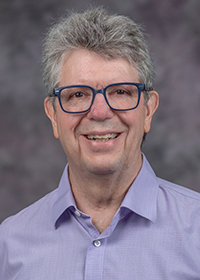 Thomas W. Phillips, Ph.D., is a professor of entomology at Kansas State University (KSU) in Manhattan, Kansas, and he is a 2026 ESA Fellow. Phillips is a leader in the field of stored product entomology and is known internationally for his research on ecology, behavior, and management of pests of durable postharvest products like stored grains, grain products, dried meats, and cheeses.
Phillips was born in December 1957 and grew up in Camp Hill, Pennsylvania, a suburb of the state capital, Harrisburg. Phillips' B.S. in biology was from Juniata College in 1978. He earned an M.S. (1981) and Ph.D. (1984) in forest entomology at the State College of Forestry in Syracuse, New York. Phillips studied under Gerald Lanier, Ph.D., and R. M. Silverstein, Ph.D., on pheromones and biosystematics of Pissodes pine weevils. He did a postdoc at the University of Florida in Gainesville, where he worked with Jim Nation, Ph.D., on chemical ecology of bark beetles from 1986 to 1990.
Phillips changed fields in 1990, working on chemical ecology and management of stored product pests for the USDA Agricultural Research Service (ARS) in Madison, Wisconsin. Phillips was on campus at the University of Wisconsin, where he worked under Wendell Burkholder, Ph.D. In 1994, Phillips was transferred to the ARS lab in Hilo, Hawaii, researching quarantine treatments for tephritid fly pests of fresh tropical fruits. In 1996, Phillips left USDA for a faculty position at Oklahoma State University (OSU) in Stillwater, Oklahoma, researching stored product pests. Phillips left OSU in 2007 for KSU, where he was head of the Entomology Department for three years, then went to regular faculty as professor. Phillips mentored 27 graduate students and hosted 14 postdocs and visiting scientists over his career. He is very grateful for his lab staff over time: Suzy Sanxter, Zona Gabbard, and Bob Lower at USDA, Edmond Bonjour and Charlie Konemann at OSU, and Jamie Aikins at KSU.
Research in the Phillips lab generated 206 journal papers, including five in the Annual Review of Entomology, along with 17 book chapters. Phillips has taught many graduate and undergraduate courses, and regularly delivers extension and outreach programs for pesticide applicators. He and his colleagues received competitive grants from USDA and NSF totaling $9,578,463; $286,643 from in-house programs; and $1,021,826 from nonprofit and private industry, all since 1982. Service during his career included Faculty Council chair at OSU and 21 years as the stored products subject editor for ESA's Journal of Economic Entomology. The most noteworthy awards to Phillips include The Distinguished Professor Award at OSU (2006), KSU's Distinguished Graduate Faculty Award (2020), and the Donald A. Wilbur Endowed Professorship in Stored-Product Protection in 2015.
Phillips and his wife, Stacey, a nurse at the KSU health clinic, live in Manhattan, Kansas, as do two daughters, Kathrine and Corey, with their spouses and three grandchildren. Phillips has a son, Daniel, and his partner in Chicago, Illinois, and a daughter, Sarah, in Madison, Wisconsin, with her husband and two other grandchildren.
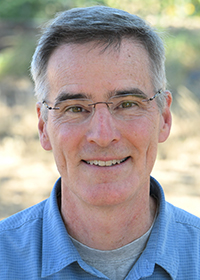 Neal M. Williams, Ph.D., a professor in the Department of Entomology and Nematology at the University of California, Davis (UC Davis), was elected a Fellow in 2026. He is internationally known for his research on bee and pollination biology, emphasizing the role of bee biodiversity in providing critical ecosystem services in natural and agricultural systems and informing actionable strategies for conservation of wild insect pollinators in the face of global change.
Williams was born in Madison, Wisconsin, in 1969. He earned B.A. degrees in botany and zoology from the University of Wisconsin, where pivotal research experiences with Bob Jeanne, Ph.D., set him on a path studying pollinator-plant interactions. He received his Ph.D. in evolution and ecology from SUNY Stony Brook in 1999, while also working extensively with colleagues at the USDA Bee Biology and Systematics Lab in Logan, Utah, where he explored the evolution of foraging and pollen diet specialization in solitary bees. As a postdoc at the University of Calgary and then Princeton University, he expanded his research to apply basic concepts in pollination and insect ecology to pollinator conservation and the role of biodiversity in bolstering pollination services in agroecosystems. Following his love of teaching and mentoring, Williams began his faculty career at Bryn Mawr College in 2004. He moved to UC Davis in 2009 to develop a research program studying native pollinators and to help implement a new major in sustainable agriculture and food systems and graduate programs in agroecology and biodiversity.
Williams’ research continues to bridge fundamental and applied insect ecology. Working across scales, from individual behavior and life-history to landscapes, he and his collaborators have quantified the impacts of land use change, agronomic management and environmental stressors on native bee populations, and community dynamics. His research has also revealed mechanisms by which diverse pollinator communities enhance pollination of multiple crops. Combining network and optimization approaches, his team identified the core set of native plant species widely used for pollinator habitats throughout California and other parts of the West Coast, as well as guidelines for monitoring their efficacy. His research is increasingly interdisciplinary, involving collaborations with agronomists, soil scientists, economists, computational modelers, and multiple stakeholders. His program has naturally moved to explore native pollinator and pollination responses to multiple environmental stressors, including extreme temperatures, nutritional stress, and pesticides.
A dedicated mentor, Williams has trained 17 graduate students, more than 15 postdoctoral scholars, and numerous undergraduate researchers. His scientific work is represented in more than 130 peer-reviewed articles. Williams was elected a Chancellor’s Fellow at UC Davis in 2015 and a Fellow of the California Academy of Sciences in 2019, and held an A.T. Larsson Guest Research Fellowship at the Swedish University of Agricultural Sciences, 2018-2023. He was honored to deliver the 2023 University of Idaho CALS Annual Distinguished Lecture and the inaugural R. Morse Lecture in Entomology at Cornell University in 2026.
Outside of science, Williams is an accomplished classical musician and an active member of the Auburn Symphony. He also enjoys gardening and canoeing with his wife, Melissa, and their children, Linnea and Lewis.
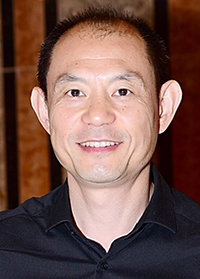 Xuguo "Joe" Zhou, Ph.D., professor and C. W. Kearns, C. L. Metcalf, and W. P. Flint Endowed Chair in the Department of Entomology at the University of Illinois Urbana-Champaign (UIUC), was elected as a Fellow in 2026. He is internationally recognized for his pioneering research integrating insect toxicology, ethology, functional genomics, and evolutionary biology to resolve complex challenges across biological scales. His multidisciplinary, multiscale framework successfully bridges colony-level organization in social insects, organismal responses to RNA-based pest control, and ecosystem-level interactions in agricultural systems.
Born in Beijing, China, Zhou grew up in the backyard of Tsinghua and Peking Universities, two premier research institutions renowned for their historic, century-long academic ties to the United States. He spent his childhood exploring the nearby ruins of the imperial gardens of the Qing dynasty, the Old Summer Palace; it was there, while enjoying cricket fights with his older brother, that he developed a lifelong fascination with insects and plants. Zhou went on to complete his B.A. at the Beijing University of Agriculture in 1991 and earned his M.S. from China Agricultural University in 1997. He then relocated to the United States, obtaining his Ph.D. from the University of Nebraska-Lincoln in 2002 under the mentorship of Blair Siegfried, Ph.D., and Lance Meinke, Ph.D. Following postdoctoral trainings at Nebraska, Purdue University, and the University of Florida, he joined the faculty at the University of Kentucky in 2008, advancing to full professor in 2020. In 2024, he assumed his current endowed chair position at UIUC, where he also affiliates with the Carl R. Woese Institute for Genomic Biology.
Zhou's research program spans three pillars. In termite sociogenomics, his lab investigates the evolution of eusociality by advancing the concept of social homeostasis, detailing how specialized castes maintain colony stability under stress through behavioral, developmental, and genetic mechanisms. In biotechnology safety, his regulatory and empirical frameworks for the ecological risk assessment of RNAi-based biopesticides are widely adopted, demonstrating that nontarget cellular susceptibility depends on physiological processing rather than sequence homology alone. Additionally, his collaborative work illuminates the polygenic and dynamic nature of insecticide resistance within multitrophic agri-ecosystems. Zhou has published over 300 peer-reviewed articles, accumulating nearly 14,000 citations with an h-index of 64, and has been recognized among the Stanford/Elsevier World's Top 2% Scientists since the ranking's inception in 2020.
As a dedicated educator and mentor, Zhou balances rigorous scientific standards with structured autonomy to train independent, resilient scientists. He has advised more than 150 undergraduate students and mentored over 30 graduate students and postdoctoral scholars, many of whom thrive across academia, industry, and government worldwide. Globally engaged, he has hosted more than 15 visiting students and scholars and actively champions underrepresented groups through ESA's EntoMentos initiative. Zhou's leadership within the entomological community includes serving as president of the Overseas Chinese Entomologists Association, chair of the Membership Committee of ESA, chair of the Editorial Board for the Journal of Economic Entomology, and as an expert on the U.S. EPA Scientific Advisory Panel and review panels for USDA-NIFA.
###
CONTACT: Joe Rominiecki, jrominiecki@entsoc.org, 301-731-4535 x3009
ABOUT: ESA is the largest organization in the world serving the professional and scientific needs of entomologists and people in related disciplines. Founded in 1889, ESA today has nearly 7,000 members affiliated with educational institutions, health agencies, private industry, and government. Headquartered in Annapolis, Maryland, the Society stands ready as a non-partisan scientific and educational resource for all insect-related topics. For more information, visit www.entsoc.org.