

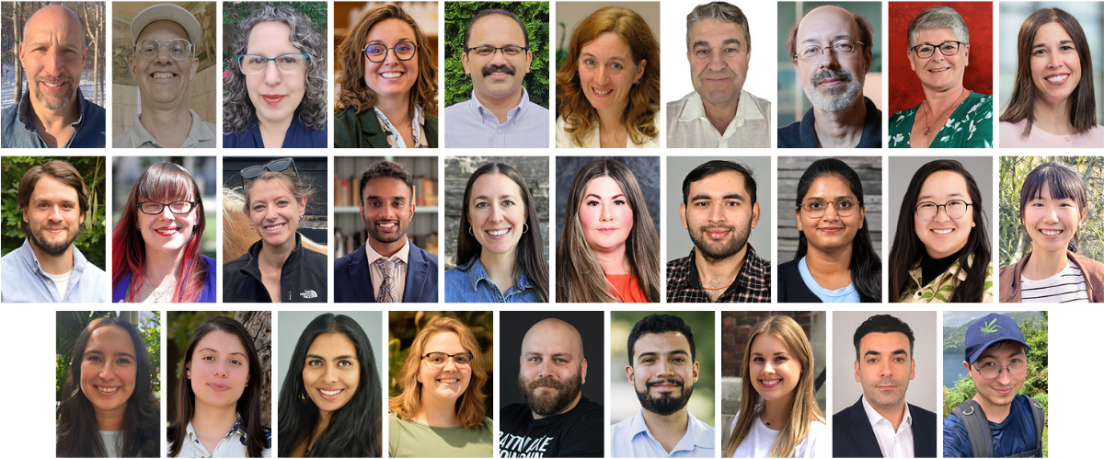
Annapolis, MD; August 18, 2026—Congratulations to the recipients of the Entomological Society of America's 2026 awards. ESA Awards & Honors recognize scientists, educators, and students who have distinguished themselves through their contributions to entomology. Awardees will be showcased during Entomology 2026, November 8–11, in Columbus, Ohio.
Earlier this year, ESA also named the entomologists receiving the following honors:
Professional Awards
Award for Excellence in Integrated Pest Management
This award, which is sponsored by Syngenta Crop Protection, recognizes outstanding contributions that have a direct relation to integrated pest management.
 Christian Krupke
Purdue University
Dr. Christian Krupke is a professor of entomology and Dean's Fellow at Purdue University, where he joined the faculty in 2005. He spent his formative years in Canada and completed undergraduate studies at the University of Guelph. His research has focused on improving integrated pest management (IPM) in agricultural systems, beginning with graduate work at Simon Fraser University and Washington State University, where he studied pheromone-based monitoring and management of codling moths and stink bugs, respectively.
At Purdue University, he leads an applied research and extension program focusing on pest management in corn and soybeans and teaches a graduate course in insect IPM. He has served as major advisor to 22 graduate students and postdoctoral scholars, with research quantifying the costs and benefits of ubiquitous, prophylactic pest management tactics in field crops, including seed-applied insecticides and transgenic (Bt) corn. His research evaluates efficacy, pest suppression, and broader impacts on nontarget organisms and the environment. Krupke has contributed as an author to approximately 70 peer-reviewed publications with nearly 10,000 citations; most of these focus on IPM-related topics.
More importantly, as an extension specialist, he presents relevant and timely applied research directly to IPM practitioners through in-person and online presentations, popular press, podcasts, and other media. He is an alumnus of the ESA Science Policy Fellows program and remains active with the Society in this area. Dr. Krupke likes both cats and dogs, although he slightly prefers cats, and enjoys it when Canadian teams win at sports.
Distinguished Achievement Award in Extension
This annual award recognizes outstanding contributions to extension entomology.
 Andony Melathopoulos
Oregon State University
Dr. Andony P. Melathopoulos is an associate professor in the Department of Horticulture at Oregon State University (OSU) and serves as Oregon's statewide pollinator health extension specialist. Appointed in 2016 following a historic legislative mandate (Oregon House Bills 3361 and 3362), his program bridges commercial agriculture, environmental regulation, and invertebrate conservation. He leads the award-winning Oregon Bee Project, a multiagency initiative coordinating pollinator stewardship across OSU and four state agencies.
Melathopoulos' extension work has trained over 15,000 licensed pesticide applicators in label comprehension and vegetation management—making it the largest state-level safety program of its kind in the nation. Alongside his educational outreach, his applied research program has secured $6.3 million in competitive agricultural grants. His current research focuses on mapping landscape-level pesticide exposure, mitigating European foulbrood disease in blueberry systems, and co-developing low-input, high-yield pollinator habitats within dryland pastures and commercial vineyards.
He is also the founder of the Oregon Bee Atlas and the Master Melittologist program, a professional certificate network that has trained hundreds of citizen scientists to catalog over 250,000 museum-quality specimens—the largest volunteer native bee inventory in North America.
Melathopoulos holds a Ph.D. in interdisciplinary studies (pollination ecology) from Dalhousie University and a master of pest management degree from Simon Fraser University. He has co-authored 49 peer-reviewed publications and hosts OSU extension's weekly podcast, PolliNation.
Distinguished Achievement Award in Teaching
This award is presented annually to the member of the Society deemed to be the most outstanding teacher of the year.
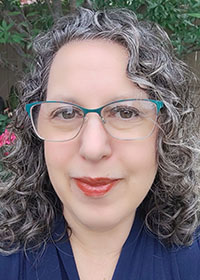 Laura Weiser Erlandson
Texas A&M University-Central Texas
Dr. Laura Weiser Erlandson is professor and chair of the Department of Sciences and Mathematics at Texas A&M University-Central Texas. Since joining the university in 2014 as its founding biologist, she developed the B.S. in biology program, created 29 undergraduate courses, and established seven teaching and research laboratories that give students opportunities to learn biology through hands-on laboratory and field experiences. Before joining Texas A&M-Central Texas, she spent 11 years at SUNY Polytechnic Institute, where she also developed a biology program and served as biology program coordinator.
Weiser Erlandson earned her M.A. in biology from SUNY Binghamton and her Ph.D. in entomology and ecology and evolutionary biology from Iowa State University. An entomologist whose research focuses on the biological control of insect pests, she has taught more than two dozen undergraduate biology courses. Her teaching emphasizes active learning, undergraduate research, and helping students develop the skills and confidence to think like scientists. Former students frequently describe her enthusiasm, mentorship, and hands-on approach as instrumental in shaping their confidence, careers, and love of science. Many of her students have gone on to careers in research, conservation, biotechnology, education, and other STEM fields, and numerous undergraduate researchers have presented their work at scientific meetings.
Beyond teaching, Weiser Erlandson is committed to science outreach and professional service. She is a Master Gardener, Master Naturalist, and past president of the ESA Southwestern Branch. She founded the TAMUCT Science Club and enjoys sharing entomology with students, educators, and community groups through workshops, demonstrations, and outreach.
Distinguished Achievement Award in the Promotion of Diversity and Inclusion in the Field of Entomology
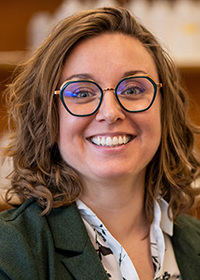 Chelsea Cook
Marquette University
Dr. Chelsea N. Cook joined the Department of Biological Sciences at Marquette University as an assistant professor in 2020. She earned her Ph.D. at the University of Colorado Boulder and completed a postdoctoral fellowship at Arizona State University. Her NSF-, USDA-, NIH-, and Kavli Foundation-funded research integrates neurophysiology, behavior, and ecology to study how honey bees collectively manage the colony environment under high-temperature stress.
Cook is committed to mentoring the next generation of scientists, having advised five graduate researchers and over 50 undergraduate researchers, and teaches animal behavior and experimental neurobiology. She cultivates learning environments that treat curiosity as a skill and science as a tool to understand a changing world. She has also held leadership roles with the International Union for the Study of Social Insects, where she worked with an international group of scientists to establish its first code of conduct. In addition to her academic work, she holds two patents as a startup business co-founder and has worked to establish science education nonprofits.
Cook's commitment to inclusion extends the reach of entomology beyond the traditional classroom. Working with the Education Preparedness Program at Marquette, she established a prison beekeeping course that has served over 50 students and teaches environmental biology in prison classrooms. These courses bring rigorous, hands-on science to students who are often excluded from it. Students engage directly with entomology, animal behavior, and ecology while building collective problem-solving skills, confidence, curiosity, and a sense of possibility that carries beyond the classroom walls.
Nan-Yao Su Award for Innovation and Creativity in Entomology
Each year this award is given to an ESA member who is able to demonstrate through his or her projects or accomplishments an ability to identify problems and develop creative, alternative solutions that significantly impact entomology.
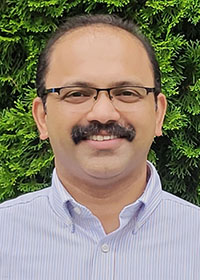 Joe Louis
University of Nebraska-Lincoln
Dr. Joe Louis is the Harold W. Eberhard Professor of Agricultural Entomology in the Department of Entomology at the University of Nebraska-Lincoln (UNL). He recently accepted the position of department head of plant science and Huck Endowed Chair in Plant Stress Biology at the Pennsylvania State University, where he will begin his appointment in October 2026.
Louis' research integrates molecular biology, host plant resistance, and chemical ecology to elucidate how insect herbivory alters plant physiological processes and defense signaling networks. A central theme of his work is defining how insect-derived effectors and elicitors modulate plant immune responses, providing mechanistic insight into the dynamic molecular dialogue between plants and insects. Findings from his lab have advanced the fundamental understanding of plant-insect interactions while informing sustainable pest management strategies.
Louis has authored more than 80 peer-reviewed publications in leading journals spanning plant science, entomology, and interdisciplinary research. His program has been supported by nearly $4.7 million in competitive funding from the National Science Foundation, the U.S. Department of Agriculture-Agriculture and Food Research Initiative, industry partners, and nonprofit organizations. He has trained 14 graduate students (including eight Ph.D. students), nine postdoctoral research associates, and more than 35 undergraduates; many have earned prestigious awards from ESA and other professional societies. He serves as senior editor for molecular plant-microbe interactions and as subject editor for the Journal of Economic Entomology and Arthropod-Plant Interactions, and previously served as program chair for the 2018 North Central Branch-ESA meeting.
Science Communication Award
This award honors impactful and innovative communication projects or programs that engage diverse public audiences with entomology-related scientific information.
- 1st Place: Julia Bello-Bravo and Barry Pittendrigh, Scientific Animations Without Borders
- Runner-Up: Jaret C. Daniels, Florida Museum of Natural History

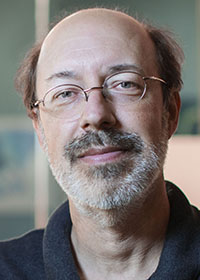
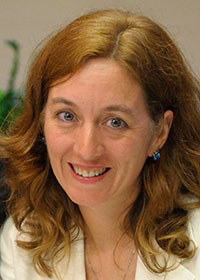 Julia Bello-Bravo and Barry Pittendrigh
Scientific Animations Without Borders
Drs. Julia Bello-Bravo and Barry Pittendrigh are both faculty members in the Department of Entomology at Purdue University. They are the co-founders/co-directors of Scientific Animations Without Borders (SAWBO), which makes life-improving, scientifically validated knowledge accessible to everyone, but especially people at the bottom of the economic pyramid in the Global South.
Since its founding in 2011, SAWBO has produced more than 200 educational animations, translated into more than 300 languages and accent variants, covering a wide range of topics, including integrative pest management, food security, community health and well-being, and peace building. Its content is freely available for use in educational programs and has been used by international organizations, including United Nations entities; national government agencies; television stations; nongovernmental and faith-based organizations; and individual educators. SAWBO materials have reached more than 130 countries and an estimated 94 million people. SAWBO also provides a research model for studying how to scale scientific knowledge in some of the world's most challenging settings.
The SAWBO team has published more than 50 peer-reviewed articles and book chapters, as well as two academic books, on communicating scientific knowledge to low-literate learners in the Global South. Its guiding principle, "Scaling for Research; Research for Scaling," describes a reciprocal process where research is used to improve future scaling and accomplished scaling initiatives provide opportunities for further study. This research cycle measures and explores learning gains, behavior change, solution adaptation, user-driven innovation, mass-scaling events, and the transformation of scientifically valid information into community-wide common knowledge.
 Jaret C. Daniels
Florida Museum of Natural History
Dr. Jaret C. Daniels is a curator at the Florida Museum of Natural History's McGuire Center for Lepidoptera and Biodiversity and professor in the Department of Entomology and Nematology at the University of Florida. He is also currently serving as the museum's interim director of exhibits and public programs.
Daniels received a B.S. from Saint John's University in Minnesota and Ph.D. from the University of Florida. An entomologist by training, he specializes in the ecology and conservation of at-risk butterflies and other native insect pollinators. His lab works across many different landscapes, from wild lands and farmscapes to roadsides and suburban yards, to develop best insect conservation and management practices. Daniels has published over 100 scientific papers, popular books, and other educational products.
ESA Certification Corporation Awards
ACE Professional Award
This award recognizes superior contributions of an Associate Certified Entomologist in the field of structural pest management.
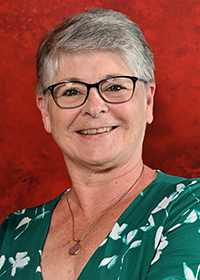 Janet Hurley, ACE
Texas AgriLife Extension
Janet Hurley, ACE, holds a bachelor's degree in community health from Texas Woman's University and a master's degree in public affairs from the University of Texas at Dallas. Hurley coordinates school integrated pest management (IPM) coordinator training for public schools in Texas and oversees the statewide effort to educate schools about their IPM programs. Hurley also oversees the efforts of the IPM Experience House, a hands-on training facility located in Dallas to train pest management professionals and homeowners about structural pest problems.
Hurley's background in public health and administration has led to work with zoonotic species. Bats and rodents are two areas that human-to-mammal conflict can cause problems. Focusing on how food-borne illnesses are related to pest management problems and building inadequacies will be her focus for the next three years. Hurley is co-principal investigator with Dr. Claudia Riegel, director, City of New Orleans Mosquito, Termite, and Rodent Control Board, on a five-year CDC-funded project to raise awareness of all vector-borne diseases and their transmissions. The project focuses on coordinated training and evaluation of pest management, vector control districts, public health, sanitary, animal health professionals, and pre-service students in these fields to achieve an integrated workforce to mitigate community vector-borne disease risk in the Gulf Coast region.
Distinguished Service Award to the Certification Program
The purpose of this award is to encourage, recognize, and reward outstanding contributions to the ESA Certification Program and the professionalism of entomology.
 Nancy Troyano, BCE
Rentokil Terminix
Dr. Nancy Troyano is a Board-Certified Entomologist (medical and veterinary entomology) whose passion for insects, education, and professional development has shaped a career dedicated to advancing the science and practice of pest management. As senior director of education and training at Rentokil Terminix, she leads enterprise learning initiatives that help build the next generation of pest management professionals through innovative training, leadership development, and mentorship.
A Board Certified Entomologist since 2011, Troyano has been an active volunteer with the Entomological Society of America for many years, serving on the ESA Certification Board, as a Certification Board director, and on the ESA Ethics Committee, and chairing certification exam revision efforts. She is also an ESA PACT mentor and is committed to strengthening the profession by supporting aspiring and established entomologists alike.
Known for her engaging teaching style, Troyano is a sought-after speaker who has delivered invited presentations across the United States on urban entomology, workforce development, and professional training. Whether speaking to industry professionals, students, or the public, she enjoys making entomology accessible, relevant, and inspiring.
Through her leadership, service, and enthusiasm for lifelong learning, Troyano continues to champion excellence in entomology while helping others grow and succeed throughout their careers.
Early Career Professional (ECP) Awards
Early Career Innovation Award
This award honors young professionals working within the field of entomology who have demonstrated innovation through contributions within any area of specialization (research, teaching, extension, product development, public service, etc.).
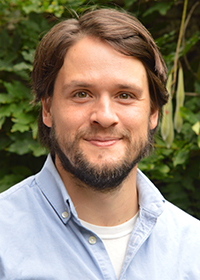 James Crall
University of Wisconsin–Madison
Dr. James D. Crall is an assistant professor in the Department of Entomology at the University of Wisconsin–Madison, where he leads an interdisciplinary research program examining how insect behavior shapes responses to rapid environmental change. His lab works at the interface of entomology and ecology with computer vision, artificial intelligence, and open-source engineering to study pollinator health, social behavior, and plant–pollinator interactions.
Crall and his collaborators have developed low-cost tools for scalable and accessible monitoring of insect pollinators and their behavior. These include BumbleBox, a system for long-term tracking of individually identified bumble bees inside colonies; AutoPollS, an AI-enabled platform for monitoring flower-visiting insects in the field; and osmiaCAM, a camera system linking solitary bee nesting and foraging behavior to environmental conditions. His group uses these tools to understand how pollinator behavior—and its variation across individuals and species—can drive sensitivity and resilience to rapidly changing environmental conditions.
His research is designed not only to advance basic science, but also to inform pollinator conservation, agroecosystem management, and environmental risk assessment. Crall has created courses and workshops that expand access to programming, engineering, automation, and computer vision for biologists. He is a Sloan Research Fellow, and he earned his Ph.D. in organismal and evolutionary biology from Harvard University and his B.A. in biology/sociology and anthropology from Swarthmore College.
ECP Extension, Outreach, and Engagement Award
This award honors a student transition or early professional working within the field of entomology who has demonstrated excellence, leadership, and creativity in extension, outreach, and public engagement.
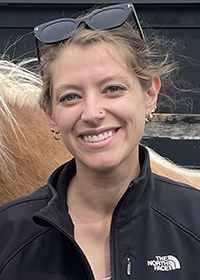 Hannah Tiffin
University of Kentucky
Dr. Hannah Tiffin is an assistant extension professor of medical/veterinary entomology at the University of Kentucky. Her extension program focuses on vector-borne disease prevention, livestock pest management, and One Health education, translating research into practical, science-based resources for rural and agricultural communities, industry professionals, extension personnel, and the general public.
Tiffin earned her M.S. in environmental toxicology from Texas Tech University, where she had her first taste of entomology—in the vector-borne and zoonotic disease laboratory of Dr. Steven Presley. Continuing in entomology, she completed her dual-title Ph.D. in entomology and international agriculture and development at Pennsylvania State University under the mentorship of Dr. Erika Machtinger. As a member of Penn State's inaugural Vector-Borne Disease Extension Team, she helped develop original programming on integrated vector management of ticks, mosquitoes, and other arthropods affecting people and animals.
At the University of Kentucky, Tiffin develops innovative programming on ticks, biting flies, invasive arthropods, and emerging health concerns. She leads a regional effort with the Southern IPM Center to update livestock pest management priorities in the Ohio River Valley and a national collaboration with the Alpha-Gal Alliance to expand extension education on alpha-gal syndrome. Through partnerships spanning extension, public health, and agriculture, her work emphasizes stakeholder-informed education, recognizing that effective community engagement depends on both sharing scientific knowledge and listening to the experiences and needs of the communities.
Tiffin has been an active ESA member since 2018, organizing national and branch meeting symposia and contributing to several Society committees.
ECP Research Award
This award recognizes a student transition or early professional who has made outstanding research contributions to the field of entomology.
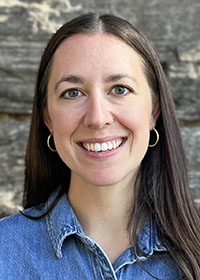 Katherine Turo
Fordham University
Dr. Katherine Turo is an assistant professor of biological sciences at Fordham University in Bronx, New York, and the Louis Calder Biological Field Station in Armonk, New York, where she leads a pollinator conservation and ecology lab. She obtained her Ph.D. in entomology from The Ohio State University in Dr. Mary Gardiner's lab and then joined Dr. Rachael Winfree's lab at Rutgers University as a postdoctoral scientist.
Turo's conservation research is motivated by the global challenges threatening plant and insect species living in the Anthropocene. A central theme of her work is reconciliation ecology, or the advancement of land management strategies that satisfy human needs while preserving healthy ecosystem functioning. Her lab seeks to better understand plant and pollinators' response to global change and the role of plants and plant diversity in maintaining insect biodiversity and fitness.
Toward this goal, Turo has successfully combined molecular and quantitative tools to examine insect communities across diverse human-modified landscapes—urban, agricultural, and forested. She has a strong publication record with 21 peer-reviewed articles published in high-impact journals (Nature Ecology and Evolution, Nature Communications, Landscape and Urban Planning, etc.). Turo has also secured $1.9 million in funding, including a National Science Foundation (NSF) Graduate Research Fellowship Program fellowship and a NIFA postdoctoral fellowship, and as a co-principal investigator of an NSF Partnership to Advance Conservation Science and Practice grant.
Equally important, Turo's work has applied significance. She partners with nonprofits (Xerces Society) and government agencies (USFS) to translate research findings into effective conservation strategies, contributing directly to the resilience of pollinator communities and the ecosystems they support.
ECP Teaching and Mentoring Award
This award is given to a student transition or early professional who excels in entomological education and/or mentoring. This award recognizes their dedication to fostering the next generation of entomologists.
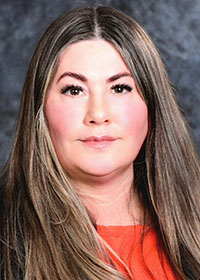 Melissa Reed
Oklahoma State University
Dr. Melissa Lynn Reed is a teaching-focused entomologist and postdoctoral fellow in the Department of Entomology and Plant Pathology at Oklahoma State University (OSU). She earned a B.S. in biology from Rogers State University, an M.S. in environmental science, and a Ph.D. in entomology from OSU, where she studied aquatic insect ecology under the mentorship of Dr. W. Wyatt Hoback. Throughout her career, Reed has combined a passion for insect science with a deep commitment to student success, inclusive excellence, and evidence-based teaching.
Since joining the faculty at OSU, Reed has taught and developed a wide range of undergraduate and graduate courses. Her teaching innovations have explored topics such as insect identification, student perceptions of scientists, and research readiness, resulting in educational publications and presentations nationally. She has mentored numerous undergraduate researchers and capstone students, guiding projects that have led to conference presentations, awards, and career advancement opportunities.
Reed is especially recognized for her dedication to mentoring students from all backgrounds. She serves as an advisor for OSU's undergraduate entomology club and coaches OSU's entomology trivia teams. In addition, she has served as a mentor in the NATIVES and Paths to Provide programs, helping Native American students navigate academic pathways, develop research skills, and pursue careers in STEM. Her commitment to fostering a sense of belonging and supporting students' professional development is reflected in her leadership within the American Indian Science and Engineering Society (AISES) and her service as faculty advisor for the OSU AISES student chapter.
Henry and Sylvia Richardson Research Grant
This grant provides research funds to postdoctoral ESA members who have at least one year of promising work experience, are undertaking research in selected areas, and have demonstrated a high level of scholarship.
 Hannah Quellhorst
Kansas State University
Dr. Hannah Quellhorst completed a B.S. and M.S. in entomology at Purdue University. She completed her Ph.D. in entomology at Kansas State University (KSU) and was co-advised by Drs. Rob Morrison (USDA-ARS) and Kun-Yan Zhu (KSU). Her research focused on improving postharvest integrated pest management of maize with a special focus on invasive species. Her current research interests include global food security, quarantine pest management, and insect behavior.
She is currently a USDA NIFA postdoctoral fellow at KSU, working on a multi-institutional project to improve identification and management of the quarantine pest, the khapra beetle. Quellhorst has published 22 peer-reviewed manuscripts and given over 75 presentations in 11 U.S. states and 10 countries in her career. She is currently the North Central Branch ECP representative to the national ECP committee and maintains a high level of involvement with ESA. Ultimately, Quellhorst plans to continue to apply her skills and expertise in stored products entomology to fight world hunger.
Student Awards
Lillian and Alex Feir Graduate Student Travel Award in Insect Physiology, Biochemistry, or Molecular Biology
The purpose of this ESA award is to encourage graduate students working with insects or other arthropods in the broad areas of physiology, biochemistry, and molecular biology to affiliate with ESA's Integrative Physiological and Molecular Insect Systems Section and to attend the ESA Annual Meeting.
 Sahil Pawar
Pennsylvania State University
Sahil Pawar is a Ph.D. candidate in entomology at Pennsylvania State University under the supervision of Dr. Gary Felton. His dissertation research investigates how environmental stressors influence insect physiology, reshape chemical defenses, and change tri-trophic interactions. Integrating chemical ecology, molecular biology, multi-omics, and ecological methods, Pawar's work explores the biochemical mechanisms behind ionic toxicity and oxidative stress in insects and their implications for plant-insect-natural enemy interactions.
Pawar brings a strong blend of fundamental research and industry innovation to the advancement of real-world solutions for agriculture. As a Hemipteran Discovery intern at Bayer Crop Science with Dr. Sajjan Grover, he developed and optimized insect bioassays to advance insecticidal traits in the pipeline. He also conducted a sixth-month biotechnology co-op in the Durability and Resistance Management Team at Corteva Agriscience with Dr. Amit Sethi, where he evaluated the prevalence of resistance in economically important crop pests. His scientific productivity includes six publications, over 18 presentations at international and national conferences, and over 20 competitive awards and grants.
Beyond research, Pawar is dedicated to mentorship and service within the entomological community. He has mentored over eight undergraduate and graduate researchers and actively serves in leadership roles within ESA, including vice chair of the EFA Committee and a member of the AIENA Committee. On track to complete his Ph.D. in 2026, Pawar aims to advance sustainable crop protection by understanding the molecular and chemical mechanisms behind plant-insect interactions while remaining a strong advocate for collaboration, mentorship, and scientific excellence.
Student Activity Award
Sponsored by Bayer, this award will be presented annually to recognize a student for outstanding contributions to the Society, their academic department, and the community, while still achieving academic excellence.
 Kushal Naharki
West Virginia University
Dr. Kushal Naharki recently completed his Ph.D. in plant and soil science (major: entomology) at West Virginia University under the supervision of Dr. Yong-Lak Park. He also earned a graduate certificate in geographic information systems and spatial analysis. He received his B.S. degree in agriculture from Tribhuvan University, Nepal. He is a certified pesticide applicator and an FAA-certified drone pilot. His research integrates entomology, precision agriculture, remote sensing, and spatial modeling to develop innovative approaches for the detection, monitoring, and management of invasive species.
He is actively involved in teaching, mentoring, scientific communication, and outreach. He has served as a teaching assistant for undergraduate entomology courses, coauthored open educational resources, organized workshops and symposia, and led numerous public engagement activities to promote insect education and invasive species awareness. He has authored and coauthored more than 10 peer-reviewed publications and has delivered numerous invited presentations at national and international scientific meetings. His research, outreach, and academic excellence have been recognized through prestigious fellowships, scholarships, and awards.
He has demonstrated strong leadership through service in professional societies. He currently serves as chair of the ESA Student Affairs Committee and president of the Society of Overseas Nepalese Entomologists. His career is driven by a commitment and efforts to advance precision pest management, support sustainable agriculture, and mentor the next generation of scientists through research, education, leadership, and outreach.
The Larry Larson Graduate Student Award for Leadership in Applied Entomology
This ESA award, sponsored by Corteva, recognizes Larry Larson's role as a leader and pioneer in insect management and carries that legacy to the next generation of leaders in applied entomology.
 Esha Kaler
Pennsylvania State University
Esha Kaler is a Ph.D. student at Pennsylvania State University, working under the supervision of Dr. Joe Louis. Originally from India, she completed her B.S. in agriculture from Punjab Agricultural University and M.S. in entomology from the University of Nebraska—Lincoln (UNL). Her M.S. thesis focused on understanding the perennial sorghum-sugarcane aphid interaction by integrating plant bioassays and omics techniques to characterize physiological and molecular responses.
Her current research focuses on understanding the biochemical and physiological responses of perennial sorghum to insect herbivory and abiotic stresses. This research is conducted in collaboration with The Land Institute (TLI), a Kansas-based nonprofit organization pioneering the Perennial Grain Revolution. Supported by this collaboration, she is a recipient of the Foundation for Food & Agriculture Research Fellowship (2025-2028). Working at the intersection of crop science, entomology, and stress biology, her research aims to aid and accelerate the perennial sorghum breeding program at TLI and contribute to the development of the next generation of crops.
Kaler has been an active member of the scientific community throughout her graduate program. She has contributed to ESA by volunteering at regional and annual meetings, organizing symposia, and serving as vice president of the UNL graduate student club, Lawrence Bruner Club. She is also a member of the writing team for the Association of Women in Science. Kaler enjoys addressing challenging research questions by integrating basic and applied science to solve real-world grassroots problems in practical ways.
Alate Award
This grant honors students currently enrolled at Historically Black Colleges and Universities and other Minority-Serving Institutions, to promote interest in entomology and to stimulate interest in attending the ESA Annual Meeting.
- Ashley Bui, University of California, Riverside
- Joanne Tzu-Chia Chen, University of California, Riverside
- Adriane Fifield, Texas A&M University
- Jenni D. García Quiceno, University of California, Riverside
- Sayesha Khanna, University of Minnesota
 Ashley Bui
University of California, Riverside
Ashley Y. Bui is a Ph.D. candidate at the University of California, Riverside (UCR), in the Heraty Lab of Chalcidoid Wasp Systematics, advised by Dr. John Heraty. She studies the systematics, biogeography, and phylogeography of parasitoid wasps in the superfamily Chalcidoidea. Her current projects focus on the population genomics and natural history of Orasema minutissima (Eucharitidae), an introduced parasitoid wasp in Hawaii, and its invasive fire ant host, Wasmannia auropunctata (Formicidae: Myrmicinae). Through this work, Bui plans for this research to be the basis of the first potential biocontrol program for W. auropunctata.
Throughout her Ph.D., Bui has been deeply involved in professional service, outreach, teaching, and mentoring. In addition to ESA, she participates in the International Society of Hymenopterists and the Entomological Collections Network. She has presented in both the SysEB and FIT sections, winning a first-place oral presentation. At her institution, she has served as the outreach representative; treasurer, DEI committee; ISAC representative; and education events chair. She won the Entomology Department Outstanding TA Award and served as the camp director for the UCR Entomology Summer Camp for three years.
She has won several awards, including the UCR Dissertation Completion Fellowship, SysEB Travel Award, PBESA Travel Award, ECN Workshop Scholarship, Harry Scott Smith Biological Control Award, CUSP scholar, James Rosenburg Memorial Scholarship, Dr. Janet M. Boyce Memorial Endowed Scholarship, and many others. Through her research, Bui is passionate about elevating entomological education and outreach, reducing public stigma against insects, and uplifting the next generation of entomologists.
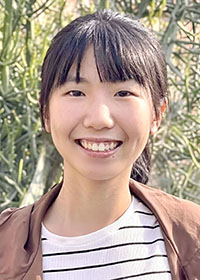 Joanne Tzu-Chia Chen
University of California, Riverside
Joanne Tzu-Chia Chen is a fourth-year Ph.D. candidate in the Department of Entomology at the University of California, Riverside (UCR). She earned her bachelor's and master's degrees in biology from National Changhua University of Education in Taiwan. Her research focus is driven by a desire to understand the mechanisms that lead a species to become a pest, specifically ants and termites. Her work examines the fundamental biological questions surrounding social insect pests, from invasive biology and behavior to systematics. She aims to link this knowledge to applied research by providing insights with direct implications for pest management. During her master's studies, Chen studied the trophic egg transfer behavior and the evolutionary history of a pest ant species in Taiwan, Dolichoderus thoracicus.
Chen joined the Urban Entomology Lab at UCR in 2023. Since then, her doctoral research has focused on the systematics and evolutionary biology of the subterranean termite genus Reticulitermes, which is the second most important subterranean termite pest genus in the United States. Through this work, she aims to resolve long-standing taxonomy and identification challenges in this group, a crucial first step for species-specific pest management.
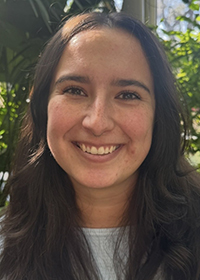 Adriane Fifield
Texas A&M University
Adriane Fifield is a Ph.D. candidate in the Department of Entomology at Texas A&M University, where she is advised by Dr. Anjel Helms. She received her B.S. degree in microbiology and a minor in entomology from Kansas State University in 2021 as a first-generation college student. Her research interests include chemical ecology, plant-insect-microbe interactions, and biological control.
Her doctoral research focuses on identifying systemic plant defense responses to the biological control agent, entomopathogenic nematodes, and the role they play in systemic plant resistance to above-ground insect herbivory. By studying these complex multitrophic interactions, her work advances sustainable pest management strategies and highlights how below-ground organisms influence above-ground plant-insect interactions.
Fifield is an active member of her department's Entomology Graduate Student Organization, where she has served as seminar chair and now as the vice president. She is also an active member of ESA, where she has served as SWB SAC chair for 2025-2026, co-organized a workshop to help new members navigate their first ESA meetings, and participated in Entomology Games since 2023. Beyond the lab, she is dedicated to outreach and fostering the next generation of scientists through mentoring undergraduate students.
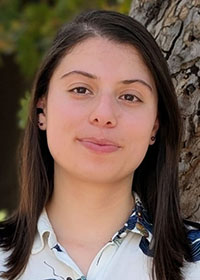 Jenni D. García Quiceno
University of California, Riverside
Jenni D. García Quiceno is a Ph.D. candidate in the Department of Entomology at the University of California, Riverside (UCR), advised by Dr. Bodil N. Cass. Originally from Rionegro, Antioquia, Colombia, García Quiceno is a first-generation international student. She earned her bachelor's degree in agriculture from EARTH University in Costa Rica, focusing her undergraduate thesis on the species diversity of green lacewings (Leucochrysa and Ceraeochrysa spp.) in a commercial banana agroecosystem.
Her doctoral research evaluates the diversity and effectiveness of natural enemies of the Asian citrus psyllid (Diaphorina citri), the primary vector of citrus greening disease. Specifically, she investigates green lacewings (Chrysoperla spp.) as potential biological control agents to develop effective, locally adapted pest management strategies. Her work aims to reduce reliance on chemical insecticides, lower management costs, and support the sustainability and profitability of California's citrus industry. García Quiceno actively shares her findings with growers, researchers, homeowners, and state agencies through extension meetings and industry events, translating scientific results into practical applications.
García Quiceno's research has been recognized at numerous conferences. She won first place at both the UCR Graduate Student Research Symposium and the Graduate Poster Competition at the ESA Annual Meeting. She has also earned multiple graduate assistantships, travel awards, and the 2026 Anderson Immature Insects Award from UCR.
Beyond research, García Quiceno is committed to science communication, mentorship, and international STEM outreach. She also focuses on making science accessible in Spanish, including her volunteer work with Clubes de Ciencia México, promoting the dissemination of agricultural and entomological science to the next generation.
 Sayesha Khanna
University of Minnesota
Sayesha Khanna is a Ph.D. candidate in entomology at the University of Minnesota under the mentorship of Dr. Brian Aukema. Originally from India, she earned her B.S. in agriculture from Punjab Agricultural University before completing two master's degrees in plant health in sustainable cropping systems through the Erasmus Mundus Joint Master's Degree Program in Spain and France. Supported by a European Commission scholarship, she represented India in a cohort of 18 students, with one representative from each participating country. Her master's thesis was conducted at Biobest in the Netherlands, where she investigated predatory mite interactions for the biological control of tomato russet mite, gaining industry experience in a greenhouse setting. She was elected by her classmates as the student speaker at the program's graduation ceremony.
In 2023, Khanna joined the University of Minnesota after receiving the Excellence in Entomology Fellowship and the University's Provost's Award. Her research develops a Minnesota-specific egg hatch prediction model for the spongy moth (Lymantria dispar dispar) and evaluates the non-target effects of Bacillus thuringiensis var. kurstaki (Btk) on Lepidoptera to address public concerns over environmental impacts.
Beyond research, Khanna has served as president of the Association of Multicultural Scientists, earning the university's President's Student Leadership and Service Award. She has mentored undergraduate students and delivered public outreach through the Science Museum of Minnesota and Bell Museum. Her long-term goal is to lead a land-grant research, extension, and teaching program that advances sustainable integrated pest management solutions for invasive insects and delivers science-based information to stakeholders.
John Henry Comstock Graduate Student Awards
These six awards are given to one graduate student from each ESA Branch to promote interest in entomology and to stimulate interest in attending the ESA Annual Meeting.
- Jacqueline Maille (North Central Branch), Kansas State University
- Daniel Marshall (Pacific Branch), Washington State University
- Leonardo Salgado (Eastern Branch), Cornell University
- Katy Smith (Southeastern Branch), University of Tennessee
- Amir H. Tourani (International Branch), Western Sydney University
- Brandon Woo (Southwestern Branch), Texas A&M University
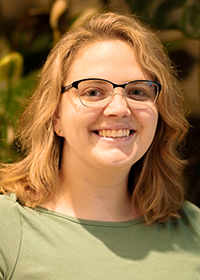 Jacqueline Maille
Kansas State University
Dr. Jacqueline Maille is a postdoctoral researcher in the Department of Entomology at Kansas State University, where her research explores methods for overcoming differences in RNAi efficiency across tractable and recalcitrant insect species. She earned her B.S. in biology from Austin Peay State University, followed by her M.S. and Ph.D. in entomology from Kansas State University. Her graduate research investigated alternative fumigants to methyl bromide for high-value food products and leveraged a multidisciplinary approach by integrating chemical ecology, behavior, and genomics to advance pest monitoring in post-harvest systems for Plodia interpunctella (Lepidoptera: Pyralidae).
A prolific researcher, Maille has authored more than 15 peer-reviewed publications and delivered nearly 70 presentations at regional, national, and international conferences. Her commitment to the entomological community is reflected in her extensive service, including roles as student representative on the ESA Governing Board and chair of the Student Affairs Committee.
Throughout her academic career, Maille has received numerous accolades, highlighted by the K-State University Distinguished Professors Excellence in Doctoral Studies Award and competitive research grants totaling over $200,000. She is driven by a vision to integrate advanced molecular tools with practical engineering solutions to enhance global food security. Beyond her primary research, Maille is a passionate science communicator and an active advocate for historic entomological preservation.
 Daniel Marshall
Washington State University
Dr. Daniel Marshall is adjunct faculty in the Department of Entomology at Washington State University (WSU) and operates Marshall Biological Consulting, a scientific consulting and veterinary diagnostics business. He earned his B.S. degree in physics from Cameron University, after which he worked as an engineer in industry and government. Marshall went on to earn his M.S. degree in biology from the University of Central Oklahoma after becoming interested in medical entomology by the 2015-2016 Zika virus outbreak. In 2025, Marshall completed his Ph.D. in entomology at WSU under the supervision of Dr. Jeb Owen. His dissertation explored the interaction of behavior, ecology, and physiology of the lone star tick, Amblyomma americanum.
At WSU, Marshall enjoyed teaching entomology and parasitology courses and was a frequent guest speaker in classrooms across campus. He also developed a successful outreach program educating children in rural Oklahoma on tick safety. For his work at WSU, Marshall received much recognition, including the USDA NIFA Predoctoral Fellowship and a grant from his tribe, The Muscogee Nation.
Marshall's current consulting work bridges the gap between academic, industry, and government partners where he assists clients in developing novel technologies for the assessment and control of arthropods that threaten human and animal health. His company also serves veterinary clinics as a parasite diagnostic service. In his spare time, Marshall identifies ticks on iNaturalist, maintains an insect collection focused largely on brachyceran flies, and competes in the sport of strongman where he has twice qualified for the U.S. national competition.
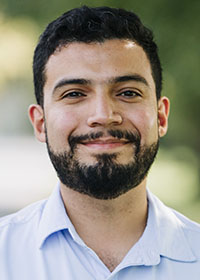 Leonardo Salgado
Cornell University
Leonardo (Leo) Salgado, Ph.D., is a 2026 graduate of the Department of Entomology at Cornell University, where he conducted his doctoral research under the direction of Dr. Brian A. Nault. In October 2026, he joins the University of Arizona as Assistant Professor and Extension Specialist in Integrated Pest Management, based at the Yuma Agricultural Center. His doctoral research advanced integrated pest management in vegetable cropping systems, emphasizing onion maggot and seedcorn maggot. Salgado’s dissertation examined species composition in onion fields, evaluated the efficacy of insecticide seed treatments, assessed maggot susceptibility through laboratory bioassays, and investigated how regional production scale may shape the population genetic structure of these pests.
Salgado earned his bachelor's degree in Agricultural Sciences from the Universidad Nacional de Agricultura (UNAG) in Honduras and his master's degree in Entomology from Louisiana State University, where he also completed a minor in applied statistics. He is a founding member of both the UNAG Alumni Association in the United States and the UNAs at LSU organization, which expand research engagement and graduate training pathways for UNAG students at U.S. universities.
His honors include induction into the Edward A. Bouchet Graduate Honor Society, the Northeastern IPM Center Outstanding Achievements in IPM Graduate Student Award, the Larry Larson Graduate Student Award for Leadership in Applied Entomology, the SomosEnto Graduate Student Excellence Award, and the Kirby L. Hays Memorial Award for Outstanding M.S. Student, Southeastern Branch. In Arizona, he will build a bilingual research and extension program serving vegetable growers in the desert Southwest.
 Katy Smith
University of Tennessee
Katy Smith is a Ph.D. candidate in entomology and plant pathology at the University of Tennessee, where her research focuses on developing integrated pest management strategies for economically important pests of beef cattle. Her work combines field research, extension programming, and stakeholder engagement to address emerging challenges posed by ticks and other livestock pests, with an emphasis on protecting animal health and supporting the cattle industry.
Smith serves as the program manager for the USDA-funded Research and Extension Experience in Veterinary Entomology for Students program and as veterinary entomology education specialist at the University of Tennessee, where she coordinates undergraduate research and statewide extension programs. She has led numerous educational initiatives, including hands-on workshops and outreach programs focused on tick surveillance, tick-borne diseases, and livestock pest management.
Raised on a cow-calf farm in rural middle Tennessee, Smith draws on her agricultural background to connect with producers across the state. She is passionate about translating research into practical, science-based solutions that help Tennessee beef producers protect the health and productivity of their herds.
Smith earned a B.S. in agricultural business from the University of Tennessee at Martin and an M.S. in agricultural economics from the University of Tennessee, Knoxville. She was selected as a Foundation for Food and Agriculture Research Fellow in 2023.
Outside of her professional work, Smith enjoys cooking, strength training, and taking long walks with her rescue dog, Ferg.
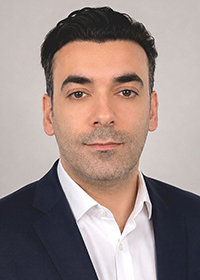 Amir H. Tourani
Western Sydney University
Amirhossein Tourani Malidareh (Amir H. Tourani) is a Ph.D. candidate in evolutionary entomology at Western Sydney University's Hawkesbury Institute for the Environment. His research examines how heritable bacterial symbionts influence insect mating behavior, reproductive compatibility, chemical communication, sexual selection, and fitness. Focusing particularly on thrips, he explores how these insect–microbe interactions could inform more sustainable approaches to pest management.
Tourani's research spans evolutionary ecology, insect behavior, biological control, and integrated pest management. His recent first-author studies have been published in Evolution Letters and Proceedings of the Royal Society B. He has also presented his work at national and international scientific meetings, including the International Wolbachia Conference and conferences of the Australian Entomological Society.
Before beginning his Ph.D., Tourani worked as a research assistant and university instructor in Iran. He conducted research on orchard pests and their natural enemies, taught agricultural entomology and integrated pest management, advised postgraduate students, and delivered educational workshops for farmers and citrus growers.
His achievements include the 2025 Royal Society of New South Wales Bicentennial Postgraduate Scholarship, finalist recognition for the Australian Entomological Society's Phil Carne Award, and multiple awards for scientific presentations. His long-term goal is to develop biologically informed pest management strategies that reduce reliance on conventional pesticides while protecting agricultural productivity and environmental health.
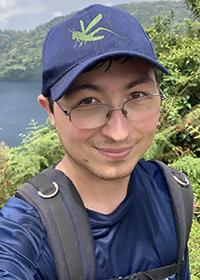 Brandon Woo
Texas A&M University
Brandon Woo is a visiting lecturer in the Department of Entomology at Texas A&M University. His research interests lie in the fields of systematics and natural history of insects. His dissertation research focuses on pygmy mole crickets (Orthoptera: Tridactylidae), a critically understudied, early-branching lineage of small, burrowing grasshoppers. Most species in this family occur in semiaquatic habitats, but in central Florida, a number of species have transitioned to a lifestyle in the unique xeric (dry) scrub habitats of the central part of the state that represent ancient Pleistocene dune systems. These rapidly disappearing habitats are home to many endemic species with unusual adaptations, and the pygmy mole crickets are no exception. Woo's research is aimed at understanding the evolution of this group of insects and the innovations that have allowed them to occupy such diverse habitats. He is also interested in the use of citizen/community science platforms such as BugGuide and iNaturalist to aid in biodiversity research and in engaging the public about nature.
###
CONTACT: Joe Rominiecki, jrominiecki@entsoc.org, 301-731-4535 x3009
ABOUT: ESA is the largest organization in the world serving the professional and scientific needs of entomologists and people in related disciplines. Founded in 1889, ESA today has nearly 7,000 members affiliated with educational institutions, health agencies, private industry, and government. Headquartered in Annapolis, Maryland, the Society stands ready as a non-partisan scientific and educational resource for all insect-related topics. For more information, visit www.entsoc.org.