

- April 27: Frontiers in IPM: Sustainable Management of Invertebrate Pests in a Changing World
- April 28: Insect Taxonomy in the 21st Century
- April 28: General 10-minute presentations and posters
- April 29: Invited Society: IOBC-NTRS (International Organization for Biological Control)
- April 29: Visualizing Entomology: From Lens to Canvas
For the 2026 Virtual Symposium, the deadline to submit a 10-minute presentation or poster was Friday, March 6, 2026.
The International Branch offers grants for students and researchers who are experiencing financial hardship. The purpose of the grant is to allow recipients to present a virtual poster or pre-recorded oral presentation who otherwise would be unable to do so. To learn more click here.
Frontiers in IPM: Sustainable Management of Invertebrate Pests in a Changing World
Program Chair:
Rory Mc Donnell,Oregon State University
Integrated Pest Management (IPM) is an all-encompassing approach to managing pests in an economically and environmentally sound way. It combines biological, cultural and chemical control methods to effectively manage pest species. This session will focus on innovations and key aspects in the IPM of insect pests including accurate pest identification, effective monitoring, developing action thresholds, and optimal use of new and existing biological, cultural and chemical tools.
Plenary Speakers
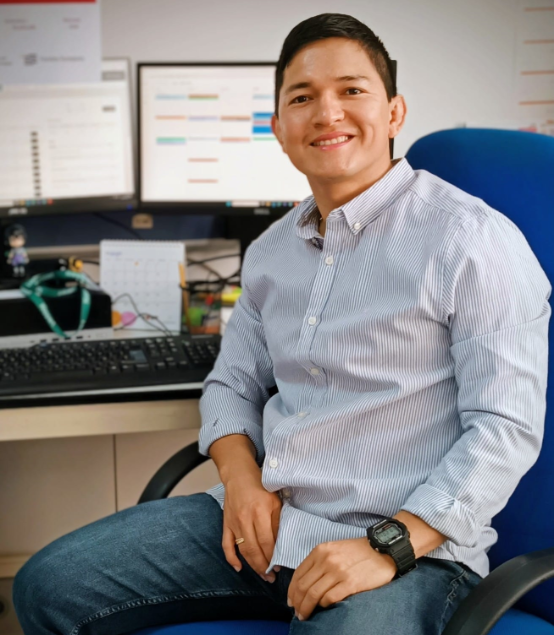
Jhonn Christopher Gonzalez Rodriguez, Instituto Valenciano de Investigaciones Agrarias (IVIA)
Integrating RNAi into fruit fly IPM: semi-field suppression of Ceratitis capitata (Diptera: Tephritidae) and unexpected boosts in parasitoid performance
I have built a solid research trajectory in plant defense, pest management, and innovative control technologies. My early work, conducted during my Agricultural Engineering studies at UTMach in Ecuador, focused on biostimulation and the characterization of plant species. I later completed a master’s thesis at IVIA investigating how volatile compounds induce plant defenses and affect entomofauna. This foundation, combined with training in the Virology Laboratory at UPV, enabled me to earn the competitive “Santiago Grisolía” predoctoral fellowship. I am currently pursuing my PhD at IVIA, specializing in RNA interference (RNAi) as an innovative and sustainable strategy for agricultural pest control. I have now completed my second year with promising results that advance the development of RNAi as a more effective and environmentally friendly tool for medfly management. To date, I have published seven scientific articles and received two awards recognizing excellence in science outreach.
Pascal Osa Aigbedion-Atalor, University of Hawaii at Manoa
Insect chemical communications and IPM under variable climates: the role of modulating temperature
Dr. Atalor is an insect ecologist researching the biological control of invasive pests and several aspects of applied ecology, including semiochemical-mediated behavior, and general integrated pest management. He obtained a BS (Hons.) in Zoology from Ambrose Alli University in Nigeria, MPhil. Entomology from the University of Ghana, and a PhD in Entomology from Rhodes University, South Africa, through the International Center of Insect Physiology and Ecology, Kenya. Before joining the University of Hawaii as an Assistant Professor in late 2024, Dr. Atalor was a postdoctoral researcher at the Daniel K. Inouye U.S. Pacific Basin Agricultural Research Center, USDA-ARS in Hilo, Hawaii. He had two prior postdoctoral research fellowships: at Brandenburg University of Technology, Cottbus, Germany, and at the Center for Biological Control, Rhodes University, South Africa.
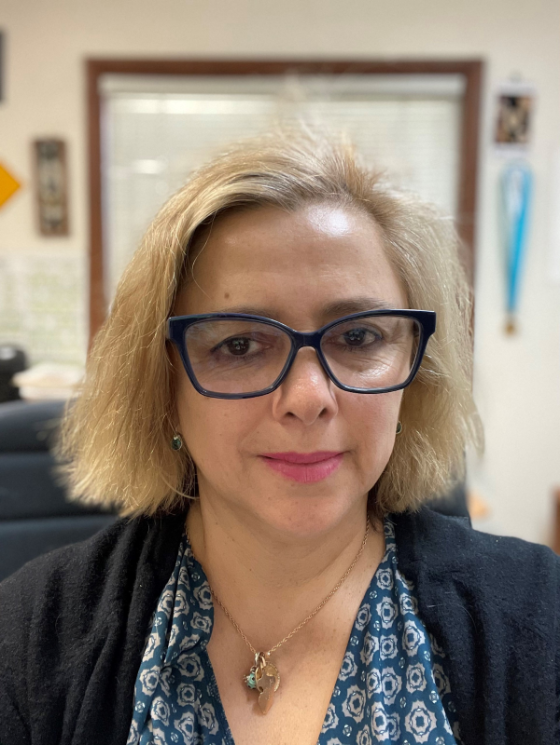
Dr. Silvia I. Rondon,Oregon State University, Oregon IPM Center
Solve Pest Problems: Supporting Integrated Pest Management Decisions
Dr. Silvia I. Rondon serves as Director of the Oregon State University (OSU) Integrated Pest Management (IPM) Center and as a Professor and Extension Entomology Specialist in the Department of Crop and Soil Science. From August 2021 to September 2022, she served as Interim Director of the OSU Hermiston Agricultural Research and Extension Center. Dr. Rondon earned her B.A. and M.S. degrees in Entomology from Agraria University in Lima, Peru, and her Ph.D. in Crop Sciences, with a major in Entomology and IPM, from the University of Illinois at Urbana-Champaign. In 2002, she completed a postdoctoral appointment in the University of Florida’s Horticulture Department. She joined OSU in 2005, where her appointment included research and extension responsibilities and leadership of the Irrigated Agricultural Entomology Program. In this role, she secured and managed more than $36 million in private, state, and federal funding. In September 2022, her position expanded to include administrative leadership. Her expertise centers on integrated pest management, with emphasis on insect ecology, distribution, population dynamics, insect–plant interactions, and biological and chemical control strategies. She has collaborated extensively with commodity groups representing potatoes, grass seed, wheat, and high-value vegetable crops, including onions, sweet corn, hemp, and carrots. Dr. Rondon has authored more than 137 peer-reviewed scientific and extension publications, 16 book chapters, and 174 additional scholarly and professional works, including abstracts and reports. She has delivered 43 international, 142 national, and 151 regional volunteer and invited presentations, as well as 194 extension presentations. She is deeply committed to diversity, equity, and inclusion and has actively contributed to related initiatives, including the OSU College of Agricultural Sciences Task Force (2021), the OSU Crop and Soil Science DEI Advisory Board (2021), the Entomological Society of America DEI efforts (2021–2022), and the IPM Centers’ DEI Working Groups (2023– present). Mentorship is a central component of her professional mission. Dr. Rondon has mentored undergraduate and graduate students, interns, postdoctoral scholars, early-career professionals, and colleagues within academic and professional organizations, as well as international students through the ENTOMENTOS program. Most recently, she served as President of the Entomological Society of America Pacific Branch (2024–2025).
Insect Taxonomy in the 21st Century
Program Chair:
Jessica Awad, Naturalis Biodiversity Center
For many entomologists, the word “taxonomy” conjures images of cluttered old laboratories, dusty historical books, and endlessly opinionated arguments over minor nomenclatural details. In reality, taxonomy remains an essential and vital information system for biodiversity, and it continues to evolve along with the people and technologies of the 21st century. This session showcases contemporary research in insect taxonomy, with a focus on the special problems, new methods, and pressing applications of our time.
Plenary Speakers
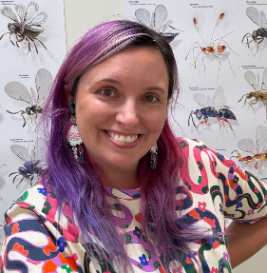
Erinn Fagan-Jeffries, University of Adelaide
Insect Investigators and community science: making taxonomy relevant to the next generation
Dr Erinn Fagan-Jeffries is a research fellow based at Adelaide University in South Australia. She leads a small research group working to improve knowledge of Australia’s wasp diversity using rapid-DNA barcoding, phylogenomics and integrative taxonomy. With a background in science communication, her passion is bringing taxonomy out of universities and museums and into the community through citizen science projects.
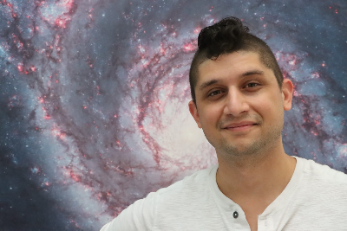
Dominic Evangelista,University of Illinois Urbana-Champaign
How many amazonian insects are there and how many have gone extinct?
Dr Dominic Evangelista is an assistant professor at the University of Illinois, Urbana-Champaign. He is an evolutionary biologist interested in how biodiversity originates through evolutionary processes, specializing on mainly on cockroaches and termites. His systematic research aims to infer phylogenies using genome-scale data, map biological trends over evolutionary histories, and to improve upon phylogenetic methods. His past research explored palaeoentomology, tropical community ecology, niche evolution, and species delimitation.

Rudolf Meier, Museum für Naturkunde Berlin
From Dark Taxa to Digital Species: Scaling Insect Biodiversity Discovery with Novel Technologies
Rudolf Meier is Professor of Biology at Humboldt-Universität zu Berlin and Head of the Center for Integrative Biodiversity Discovery at the Museum für Naturkunde Berlin. He develops scalable, technology-enabled approaches to insect biodiversity discovery, combining DNA barcoding, robotics, and artificial intelligence.
Visualizing Entomology: From Lens to Canvas
Program Chairs:
Véronique Martel, Natural Resources Canada
Kaylin Chong, Graduate Student, Brian Farrell Lab
As entomologists, we regularly face the challenge of visually representing our study organisms—whether in conference presentations, publications, or graphical abstracts. While some of us rely on photography, others turn to digital illustrations or traditional drawings, each approach offering distinct advantages. This session will explore diverse methods of insect illustration and image acquisition, examining both artistic and scientific perspectives. Participants will gain insight into selecting and implementing visualization techniques that best serve their research communication goals.
Plenary Speakers
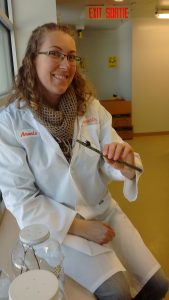
Amanda Roe, Natural Resources Canada
Scientific observation through brush and pen
Dr. Amanda Roe is a federal research scientist focusing on the ecophysiology and evolutionary history of forest pests and invasive species. Amanda has long considered herself both a scientist and an artist, weaving scientific observation with visual expression in both her professional and personal life.
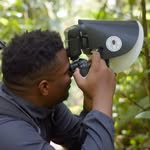
Dara Ojo, Independent macro photographer and conservation storyteller; explorewithdara.com
Reframing Insects Through the Lens: Visual Storytelling for Entomology and Conservation
Dara Ojo is an award-winning macro photographer and conservation storyteller based in Edmonton, Canada. His work focuses on revealing the hidden beauty and ecological importance of insects and arthropods, using photography as a bridge between science, art, and public engagement. His images have been featured internationally by PBS, National Geographic, BBC, CNN, Love Nature, Canadian Geographic, and the United Nations Conference on Biodiversity. Through exhibitions, publications, and educational outreach, Dara works closely with scientists, Indigenous knowledge holders, and conservation organizations to reshape public perception of insects and highlight their critical role in sustaining ecosystems.
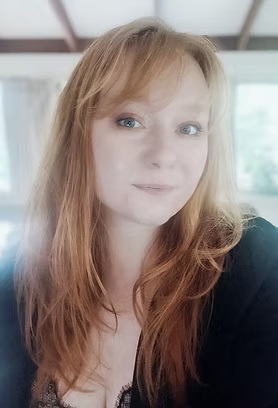
Martha Iserman, Natural History and Folklore Artist; marthaiserman.com
From Specimen to Symbol: How Insects Move Between Science and Art
Martha Iserman is an Australian-based artist and former professional scientific illustrator who has worked with museums and research institutions including the Smithsonian. She holds a Master’s degree in biological illustration and has created illustrations for multiple biology textbooks. Her current practice explores insects, plants, and ecosystems through watercolor and mixed media, blending natural history with folklore, symbolism, and narrative world-building. Her work has been exhibited in Australia and internationally.
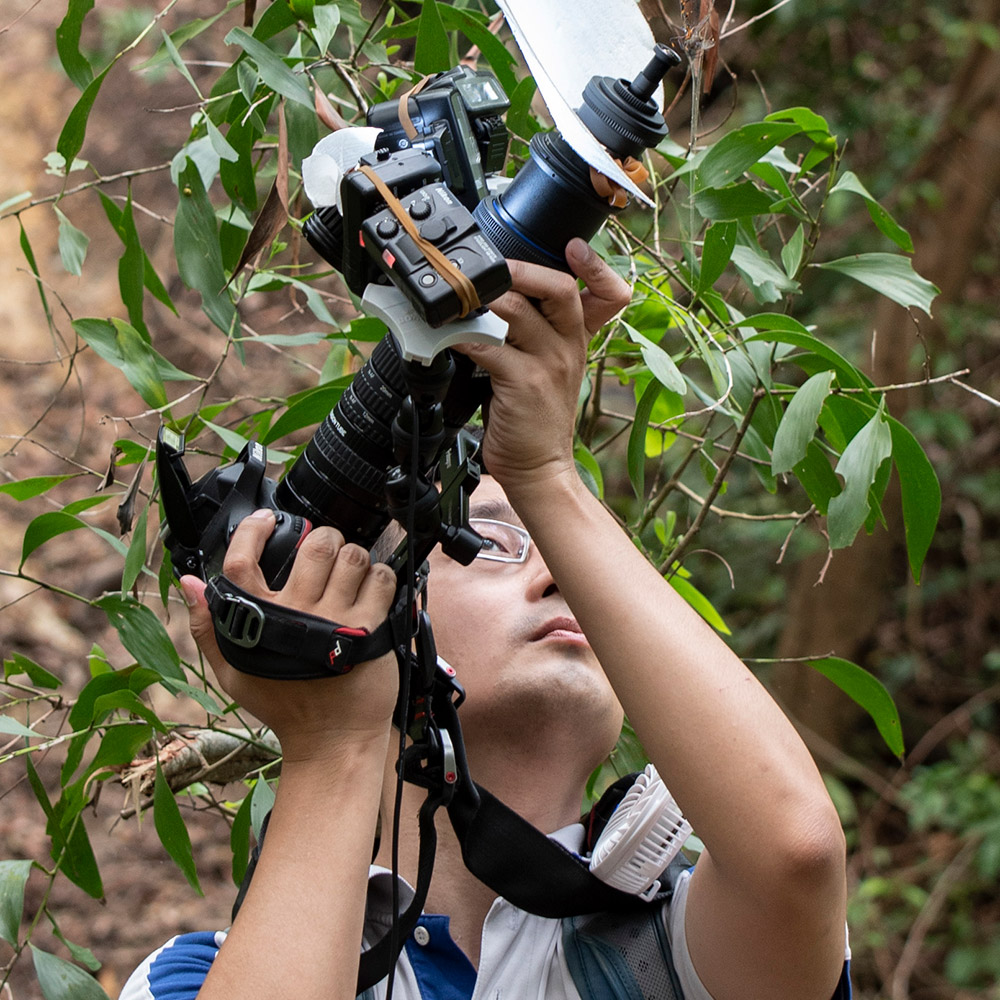
Nicky Bay, Independent macro photographer, NickyBay.com
The Living Canvas: Narrating Insect Ethology Through Macro Photography
Nicky Bay is a macro photographer and software engineer whose work bridges the gap between high-magnification artistry and taxonomic utility. His imagery has been featured by National Geographic, BBC, and WIRED, with solo exhibitions at institutions such as Germany’s Senckenberg Museum and France’s Galerie du Lion. Leveraging his technical background, Nicky has developed specialized taxonomic platforms to host one of the world's largest arthropod image databases, comprising over 60,000 high-quality photographs. Having led advanced field workshops across biodiversity hotspots in Borneo, Africa, and Central America, he provides a unique perspective on the intersection of modern imaging technology and the global documentation of insect life.
Invited Society: IOBC-NTRS (International Organization for Biological Control)
Program Chair:
Fernanda Cingolani,Centro de Estudios Parasitologicos y de Vectores CEPAVE, Argentina
The IOBC-NTRS is the Neotropical Region Section of the International Organization for Biological Control (IOBC), a non-for-profit organization whose mission is to promote the development of biological control, and its use in integrated pest management programs all over the world. In particular, the IOBC-NTRS fosters connection and cooperation among people interested in biological control in Latin America and the Caribbean. We greatly appreciate the interdisciplinary work with institutions for educational and research purposes as universities and academic societies, government entities, extension services, NGOs, growers and private companies which pursue similar objectives. We promote the establishment of contact with representatives from the different countries in the region, for the exchange of information, building of cooperation, and working on joint initiatives.
Plenary Speakers
Maria Gabriela Luna, Research Professor at UNLP, Argentina
Scaling biological control across Latin America: Advancing the IOBC NTRS legacy
Dr. María Gabriela Luna is a researcher at CEPAVE (CONICET-UNLP) and a Professor at the National University of La Plata (UNLP) and the National University of San Antonio de Areco (UNSAdA), where she also serves as Prosecretary of Research and Innovation. After earning her PhD from UNLP in 1997, she completed a postdoctoral fellowship at the University of California, Irvine (UCI) (1999-2003).
Dr. Luna’s work focuses on agroecology and biological control, specifically evaluating beneficial insects as natural enemies of pests in crops ranging from soybean and sunflower to vineyards and horticultural systems. A long-standing member of the IOBC NTRS, she served as Corresponding Secretary of the Governing Board from 2010 to 2018. In 2023, she was honored with the UNLP Award for Scientific and Technological Career. With over 60 publications, she co-edited the foundational text Biological Control in Latin America and the Caribbean (CABI, 2020 and Editorial Acribia SA, 2021). She remains deeply committed to science communication, working closely with students, farmers, and biocontrol practitioners to advance sustainable agriculture.
Regiane Cristina de Oliveira, São Paulo State University (UNESP), School of Agricultural Sciences, Botucatu
Strategies in Integrated Pest Management in Tropical Agriculture
Professor at the School of Agricultural Sciences of São Paulo State University (UNESP), Botucatu campus, and Adjunct Associate Professor in the Department of Entomology and Plant Pathology at Oklahoma State University (OSU), United States. She is a full member of the Brazilian Academy of Agronomic Sciences (ABCA – Chair 85) and a CNPq Research Productivity Fellow – Level A. She holds a degree in Agronomic Engineering from the Federal University of Espírito Santo (2003), a master’s degree in Agronomy – Agricultural Entomology from UNESP (2005), a PhD in Sciences – Entomology from ESALQ/USP (2008), a postdoctoral fellowship at Mississippi State University (2009–2010), and the title of livre docente from UNESP (2020).
Her research focuses on integrated pest management, with emphasis on the integration of biological, behavioral, chemical, biotechnological, and cultural tactics in economically important crops such as soybean, corn, and vegetables. Her scientific career includes 148 publications in indexed journals, three books, twenty one book chapters, and more than 3,100 citations on Google Scholar (h = 32). She has published extensively on biological characterization and thermal requirements of parasitoids, mass rearing protocols, selectivity of crop protection products, insect resistance management, and biological control strategies adapted to climate change, aligned with Sustainable Development Goals (SDGs 2, 9, and 15).
She has supervised 26 master’s students, 15 doctoral students, two postdoctoral researchers, and 224 undergraduate final projects. Her former students work in both research institutions and companies in the biological inputs sector.
Institutionally, she has served as Coordinator of the Agronomy Undergraduate Program at FCA/UNESP (2018–2020), Coordinator of the Entomology Area of the CNPq Agronomy Advisory Committee (2021–2024), and Treasurer of the International Organization for Biological Control – Neotropical Regional Section (IOBC NTRS, since 2023). She also coordinates international cooperation agreements with Oklahoma State University and European institutions.
She currently leads projects funded by CNPq and FAPESP, including “Impact of Biological Control Strategies on the Management of Spodoptera frugiperda Susceptibility” (CNPq), the INCT for Biorational Control of Insect Pests, Phytopathogens and Invasive Plants (CNPq), the Center for Citrus Industry Sustainability (FAPESP), and the Center of Excellence in Biological Control (FAPESP), promoting technological transfer and scientific collaboration. She has received distinctions such as the Agro Environmental Award – Researcher Category (2009), served as class patron for Agronomy cohorts at FCA/UNESP (2014, 2019, 2022), and was elected to the Brazilian Academy of Agronomic Sciences (2024).
Since 2012, she has coordinated the extension project “Entomological Clinic” at FCA/UNESP, dedicated to diagnosis and technical support for farmers, integrating teaching, research, and outreach. She maintains scientific collaborations with institutions in the United States, United Kingdom, Germany, Panama, and Colombia.
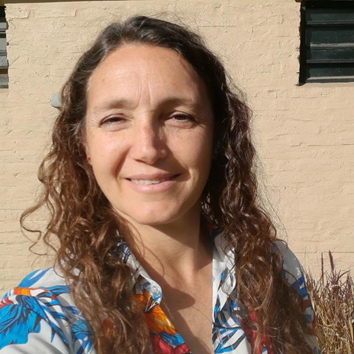
Fernanda Cingolani, CEPAVE (CONICET-UNLP)
Neotropical Region Section of the International Organization for Biological Control
Adjunct Researcher at CONICET (National Scientific and Technical Research Council of Argentina).
Full Professor of Pest Ecology and Population Ecology at UNLP (National University of La Plata, Argentina).
President of the IOBC-NTRS (Neotropical Regional Section of the International Organization for Biological Control).
Her main interest is the study of the biology and ecology of parasitoids (Hymenoptera and Diptera), in particular those associated with phytophagous hemipteran pests (Pentatomidae). Her studies have focused on analyzing the dynamics of the interactions between pests and their natural enemies, with particular interest in multispecies interactions as multiparasitism. Through laboratory tests and field experiences, she investigates the performance of different parasitoids that share a common host.
She has supervised several undergraduate and doctoral students, and postdoctoral researchers. She has led and leads research projects founded by CONICET, UNLP, and the Argentinian National Agency for Scientific Promotion. She also participates in several international cooperation projects.
General 10-Minute Oral Presentations and General Posters
10-minute oral presentations and posters presenting work on any insects and their relatives, not included in the other sessions, are welcome in these general sessions.