

Wednesday, September 23, 2026
Generative Artificial Intelligence is causing widespread changes in education, leaving educators with many questions on how to both regulate and implement these developing tools in classrooms. To help provide clarity and guidance on AI and its potential applications in educational settings, we are hosting a webinar focused on defining the current state of generative AI tools, identifying the potential of AI use in classrooms, and the drawbacks to such tools.
This webinar will highlight the current state of generative AI tools and clarify what exactly these tools can and cannot do, and what these tools mean for education, both entomological focused education and education more broadly. Whether you’re a seasoned professor, a K-12 educator, extension agent, a graduate teaching assistant, or other educator, this session will provide clarity on a rapidly developing tool and provide valuable guidance on how to navigate the utility and drawbacks of generative AI.
Moderator: Melissa Reed
Panelists: Alysia Ropp, Morgan Pinkerton, Jonathan Maletic
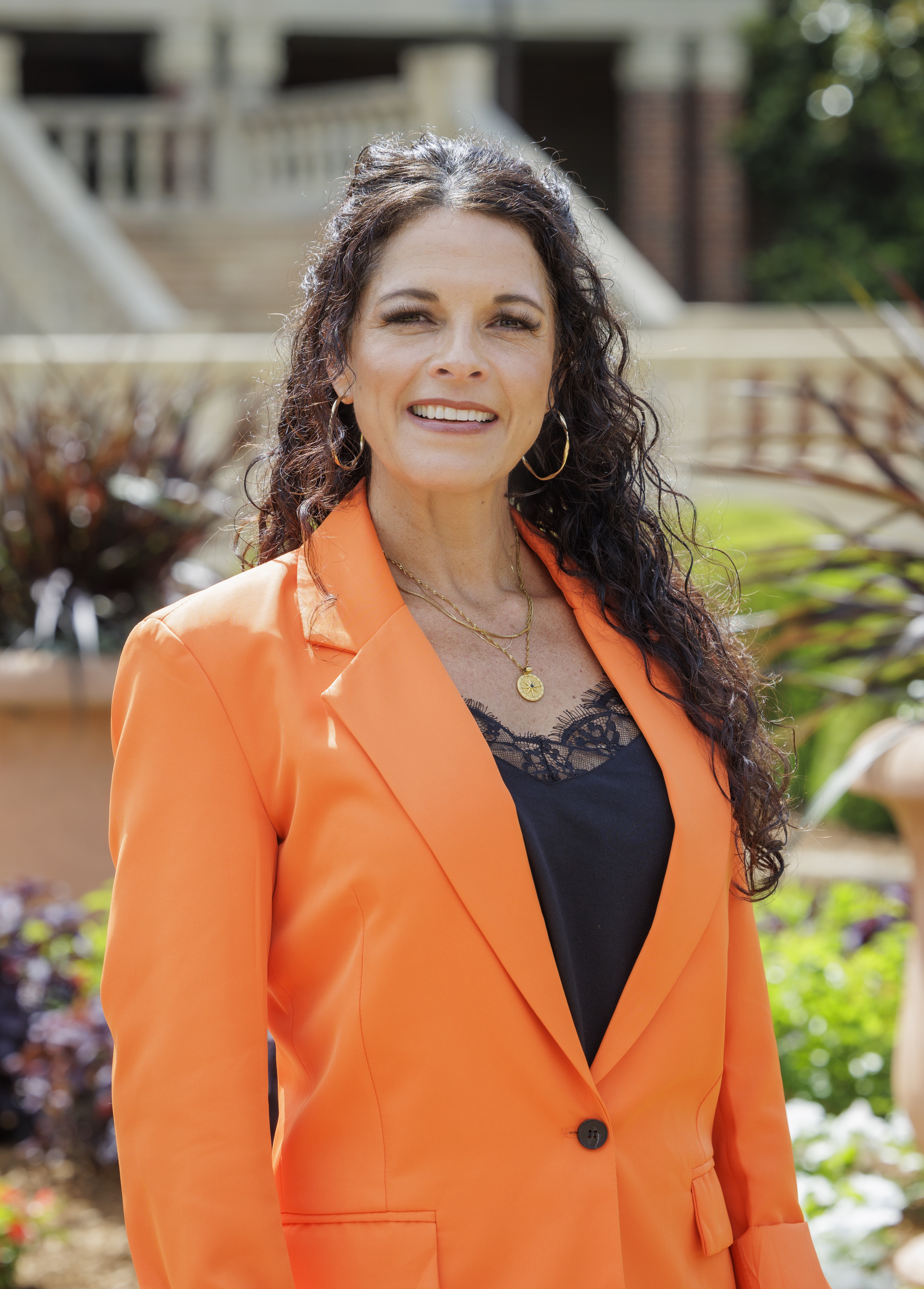 | Alysia Ropp is the Program Lead, AI Integration Program & Grant & Teaching Support Specialist at Oklahoma State University’s Institute of Teaching and Learning Excellence, where she leads institutional efforts to support high-quality online teaching and the responsible integration of artificial intelligence in higher education. She leads OSU’s AI Integration Program and the newly awarded AI Integration Grant, a multi-year initiative designed to help academic programs intentionally embed AI competencies across curricula while maintaining a strong focus on pedagogy, ethics, and student learning. Alysia has designed and facilitated dozens of workshops, courses, and resources on AI and online teaching, reaching hundreds of faculty across OSU and beyond. Her approach emphasizes practical experimentation, reflective practice, and human-centered design, supporting faculty as they navigate both the possibilities and limitations of emerging technologies. Through her work, Alysia is committed to ensuring that AI serves as a tool for deeper learning and instructional integrity, not a shortcut that replaces thoughtful teaching. |
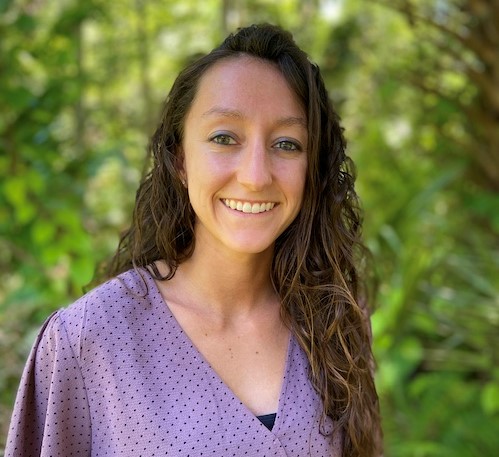 | Dr. Morgan Pinkerton is the Sustainable Agriculture and Food Systems Extension Agent with UF/IFAS Extension in Seminole County. She is a graduate of the UF Doctor of Plant Medicine Program and has a master’s degree in entomology. In her current position, she regularly works with farmers and horticulture professionals in Central Florida and beyond. Through in person and virtual educational programming, field visits, and one-on-one communications, she helps extension clientele increase the economic and environmental sustainability of their operations. In many of her extension programs, she focuses on diagnostics of plant problems, integrated pest management (IPM), and invasive species issues. She also educates the public on agriculture so that they can better understand how their food reaches their plate and gain an appreciation for the hard work of our farmers. |
 | Jonathan I. Maletic, Ph.D. is Professor in the Department of Computer Science at Kent State University, Kent Ohio USA. He received the B.S. in Computer Science at The University of Michigan-Flint in 1985 and the Ph.D. in Computer Science, from Wayne State University in 1995. His research interests are centered on software engineering and evolution, with a focus on the comprehension, static analysis, exploration, and manipulation of large-scale software systems. Prof. Maletic has authored over 170 refereed publications. Four of his publications have received Most Influential Paper Awards. He is regularly funded by the US National Science Foundation (NSF) and has averaged approximately $150K USD annually in external funding over the past 20 years. Prof. Maletic has graduated 24 doctoral students, 21 of whom hold an academic position. Six of these individuals have been awarded US NSF funding and two of these have received NSF CAREER awards. |
Note: Starting in February 2026, live webinar attendance will be an ESA members-only benefit. Join ESA now so you can tune in live to upcoming ESA webinars, engage with panelists, and ask questions. Recorded webinars will be available free in video and podcast format approximately 1-2 weeks after the original event date.