

Tuesday, October 20, 2026
Communicating research findings beyond scientific journals is essential to ensure they are relevant, accessible, and beneficial to stakeholders. This webinar will teach students and early-career professionals how to translate research into clear, engaging, and actionable content for non-technical audiences. Participants will learn the fundamentals of writing extension and outreach articles, crafting creative and effective content, and publishing science for stakeholders.
Moderator: Sankara Ganesh
Panelists: Dr. Tatiana Sanchez-Jones, Dr. Emily Kraus, Dr. Lauren Esposito
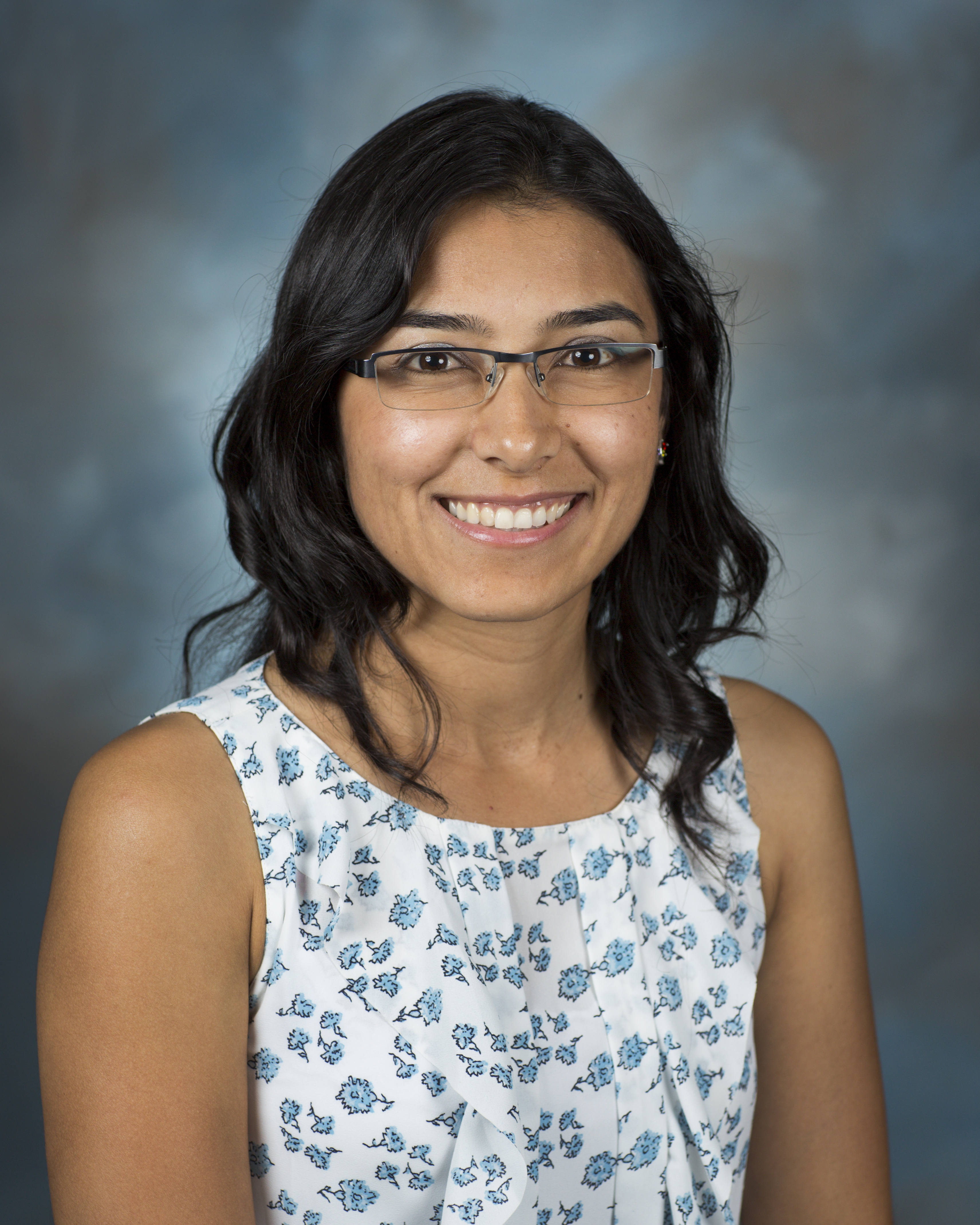 | Dr. Tatiana Sanchez-Jones, DPM, is a Commercial Horticulture Extension Agent for UF/IFAS Extension in Alachua County. She supports fruit, vegetable, and nut producers with crop production, focusing on nutrient, water, pest, and disease management. Her program emphasizes sustainable practices, including the protection of water resources and integrated pest management. Tatiana also leads educational initiatives for business planning, professional landscapers and beekeepers, and provides training and certification support for pesticide licensing and best management practices across the agricultural and the green industry sectors. |
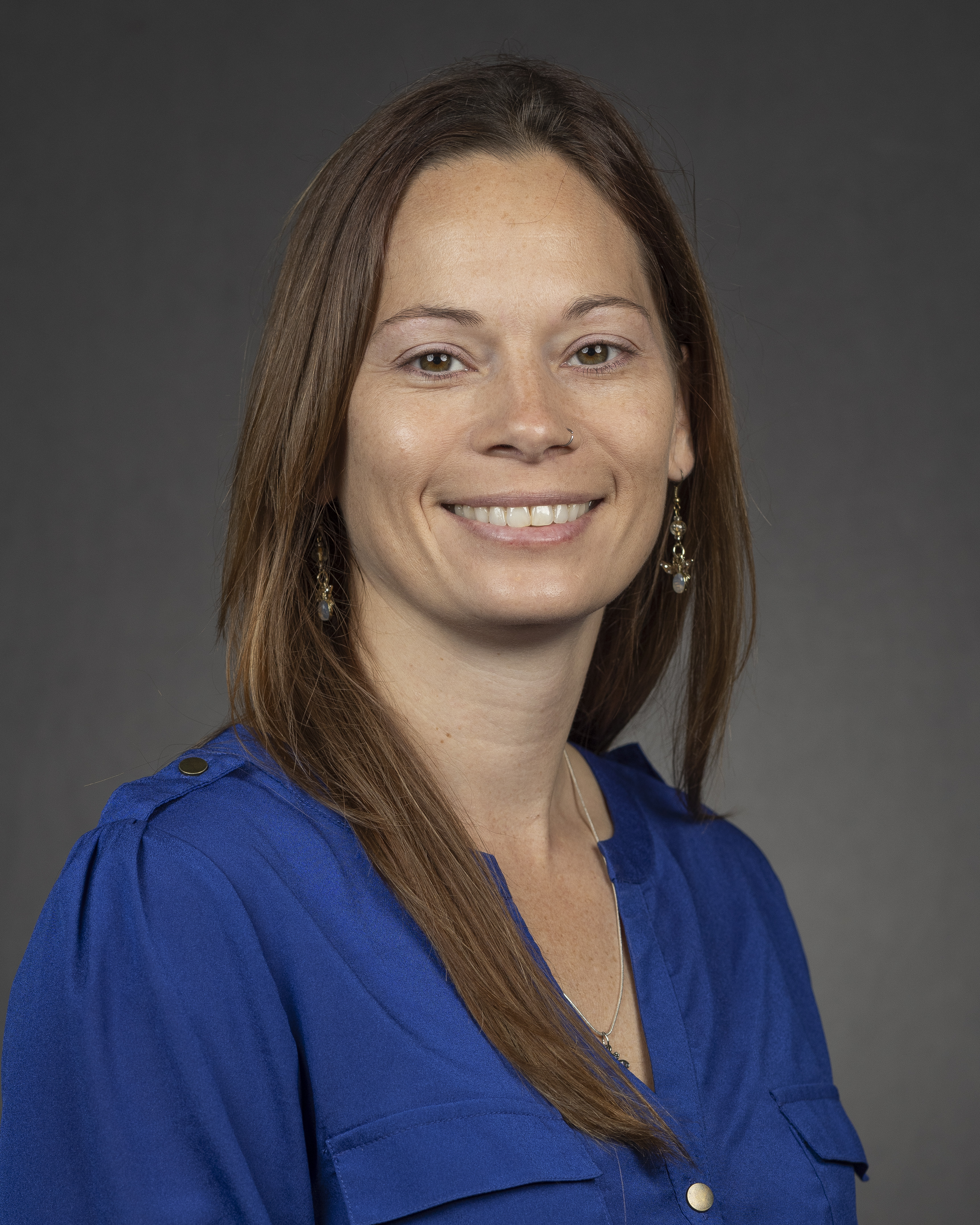 | Dr. Emily Kraus was born and raised in Indiana. She began her higher education in Entomology at Purdue University. There, she focused on both biological control and medical entomology. She continued her education at Kansas State University with research on mosquito-transmitted disease and earned her M.S. Then she took a break from academia to serve in the U.S. Peace Corps in Senegal, West Africa. Upon her return, she resumed her studies by working in integrated pest management in rice production at Louisiana State University. While working on her Ph.D. she traveled extensively to rice-producing regions of the world. Her desire for travel carried her through her postdoctoral fellowship at Rhodes University in South Africa where she again studied biological control. These experiences set her up nicely for a position with FDACS as a Biological Scientist IV, her role as a UF Extension Scientist at the Pesticide Information Office (PIO), and subsequently as a Small Farms Advisor in Fresno County with UCANR. Currently Dr. Kraus is in a tenure track role with Eastern Florida State College. Here she is an instructor of Entomology, General Biology 1 and 2, Soil and Fertilizers, and Anatomy and Physiology. She also serves as a research mentor with the Undergraduate Office of Research. |
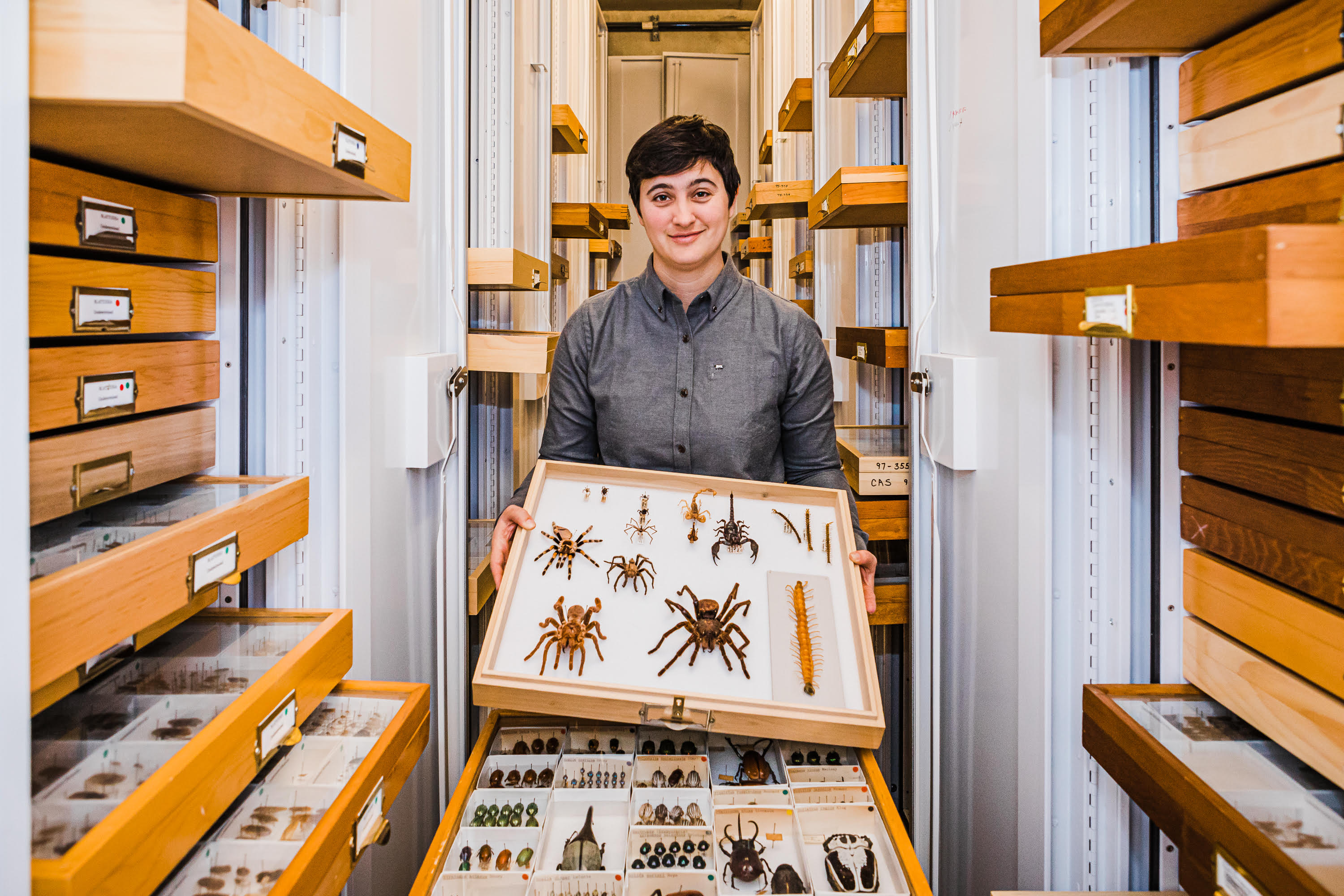 | Dr. Lauren Esposito is an evolutionary biologist and arachnologist. Most of their career has been spent behind the scenes of natural history museums and traveling the world in search of arachnids. They are the co-founder/director of a science, education, and conservation non-profit called Islands & Seas, and the creator of 500 Queer Scientists, a visibility campaign for LGBTQ+ people working in STEM careers. Lauren’s research investigates the many facets of biodiversity, including the patterns and processes of evolution in spiders and scorpions, how communities of arthropods are impacted by global change, and documenting new-to-science species. Originally from the US-Mexico borderlands, she completed her undergraduate degree at the University of Texas at El Paso, and an MS and PhD from the American Museum of Natural History in collaboration with the City University of New York. She did her post-doc at the University of California, Berkeley, before spending 10 years as the Schlinger Chair of Arachnology at the California Academy of Sciences, and finally as a Program Director at the National Science Foundation. Passionate about science communication, Lauren has organized education programs on the importance of conserving biodiversity in communities throughout the Americas, has worked in digital science curriculum development adopted in 48 states, and has spoken at TEDx, on NPR, and has appeared on National Geographic and Animal Planet. |
Note: Starting in February 2026, live webinar attendance will be an ESA members-only benefit. Join ESA now so you can tune in live to upcoming ESA webinars, engage with panelists, and ask questions. Recorded webinars will be available free in video and podcast format approximately 1-2 weeks after the original event date.